Rapid Transit Before Electricity: We have previously noted how steam power was not acceptable for transit systems operating on city streets. On rapid transit systems however, because they did not operate directly on the streets, steam power was acceptable. Although it was much less than ideal, before the coming of electricity, it was the only viable option.
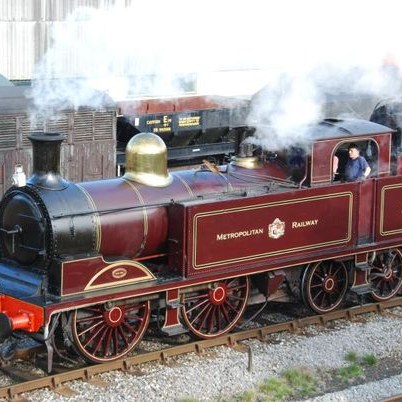
The world’s first urban rapid transit system was London’ s underground railway (1863). Although it was called underground, the use of coal fired steam engines necessitated that much of it operated in open trenches or with frequent air vents. To minimize the problems associated with steam power in such an environment, the locomotives reduced carbon emission by using coke, rather than raw coal. To reduce excessive moisture, they condensed their steam after use, also reducing the need to take on and carry so much water. Nonhetheless, the lines were unpleasantly smokey and humid
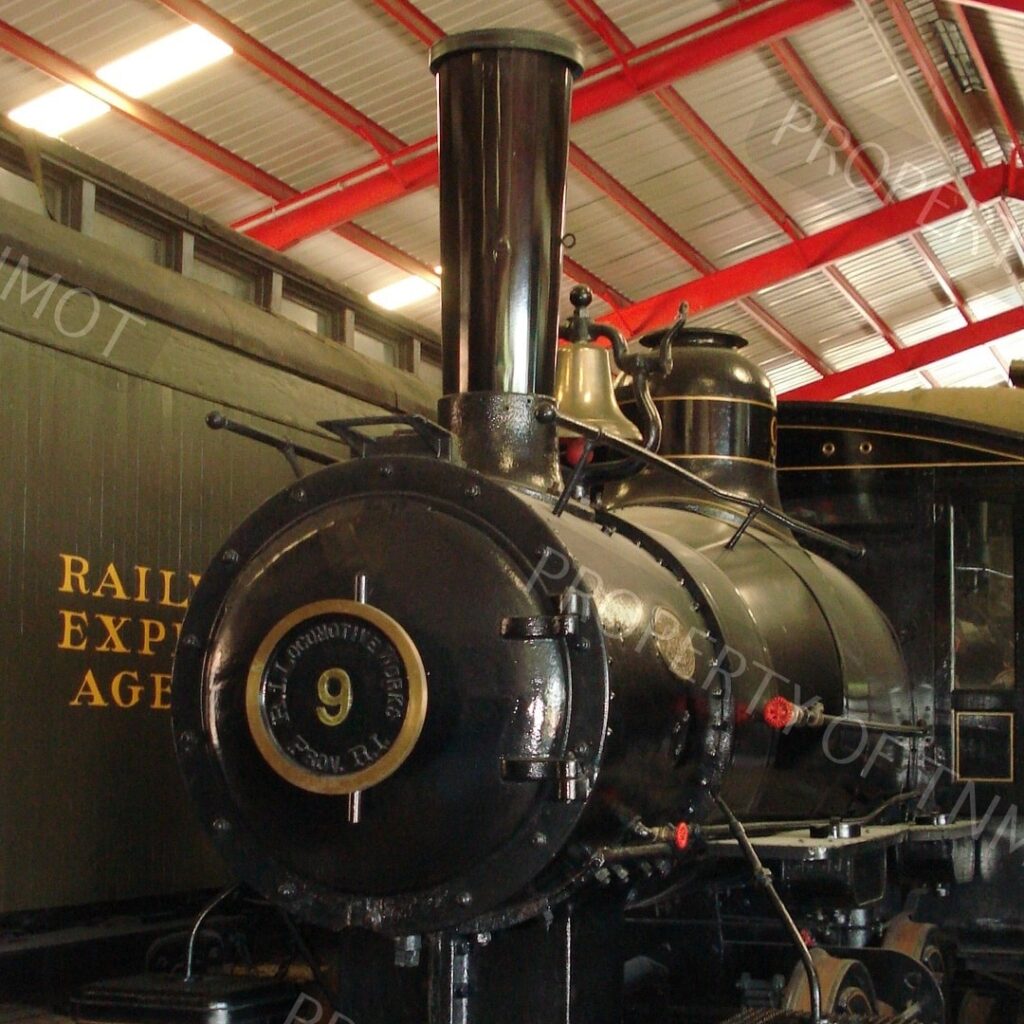
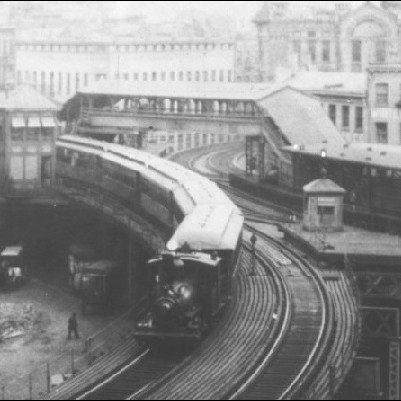
In New York City, the early elevated lines (1878) also used small steam locomotives for power as did the Chicago “L’s” (1892) — although the first New York line was an experimental cable hauled operation which proved unsuccessful. Steam power in urban conditions created problems of both noise and dirt, although a New York City ordnance aleviated some of the proble by requiring drip pans under the tracks.
One might expect, from these conditions, that electric propulsion would have been adopted as soon as it had become effective but, in many cases the change did not occur for 10 years or more.
Pictures: 1) 1864 London underground locomotive, showing steam condensation equipment, London Transport Museum. 2) London underground locomotive from a later period that operated in suburban areas, Louise Bruce, London Transport Museum. 3) New York Elevated, NewYorkCity.org & 4) Chicago, Lake St. “L” #9, National Museum of Transportation.