Although interurban railways brought greatly improved transportation options and other benefit to rural communities, there also could be conflicts because interests might conflict. These conflicts might take various forms.
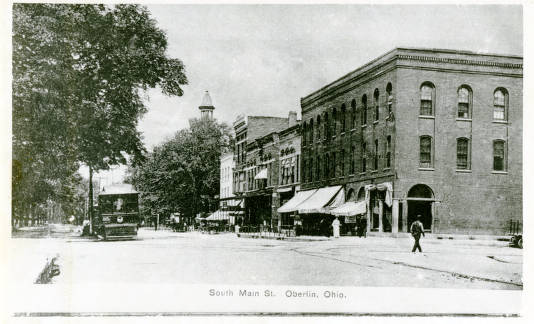
When lines were first built, conflict could occur because a community wanted to gain maximum financial benefit from a franchise agreement to run tracks over its streets, whereas the railway sought to keep costs as low as possible. Also, because an interurban would have an economic impact on a town, some citizens feared that this impact might work to their disadvantage. For example, in Oberlin, local retailers fought against a proposed interurban, fearing that their customers might ride into Cleveland to do their shopping. On the other hand, in Medina, merchants felt that getting the line to pass their stores would bring business.

In later years, the fact that a community had become dependent on the interurban could cause conflict. A fare increase might be regarded as unfair, although inflation or other economic factors made it necessary. In some cases, too, it was the community that wanted more. In 1916, when a franchise was due to expire, the government of Berea demanded a fare reduction, believing that the interurban would have no choice but to comply. The interurban, however, realized that to accede to this demand would result in the same demand from other communities along the line, which they could not afford. Thus, they built a new line that avoided the town, even though, by that time, they could afford neither the construction cost nor the loss of business, contributing to the line’s eventual demise.

This post includes information from Hambley, S. “The Pioneer Route and Electric Railways of Northern Ohio,” available through the NORM store.
Pictures, all Columbus Metropolitan Library: 1) CSW car in Oberlin, 2) CSW #111 in Medina and 3) CSW #29 in Berea.