By Walt Stoner
In the 1950s my father owned a gas station up in Cleveland. When I was about ten, I started working there after school and on my summer vacations. In the late 1950s a family friend, a teacher, asked my father if he could find a job for a troubled youth that he was trying to keep out of juvenal hall. My father obliged and that is how I met Lee Smith. We about drove my father nuts—all we talked about was trains. Lee left the gas station after a couple of years, but we continued to be friends.
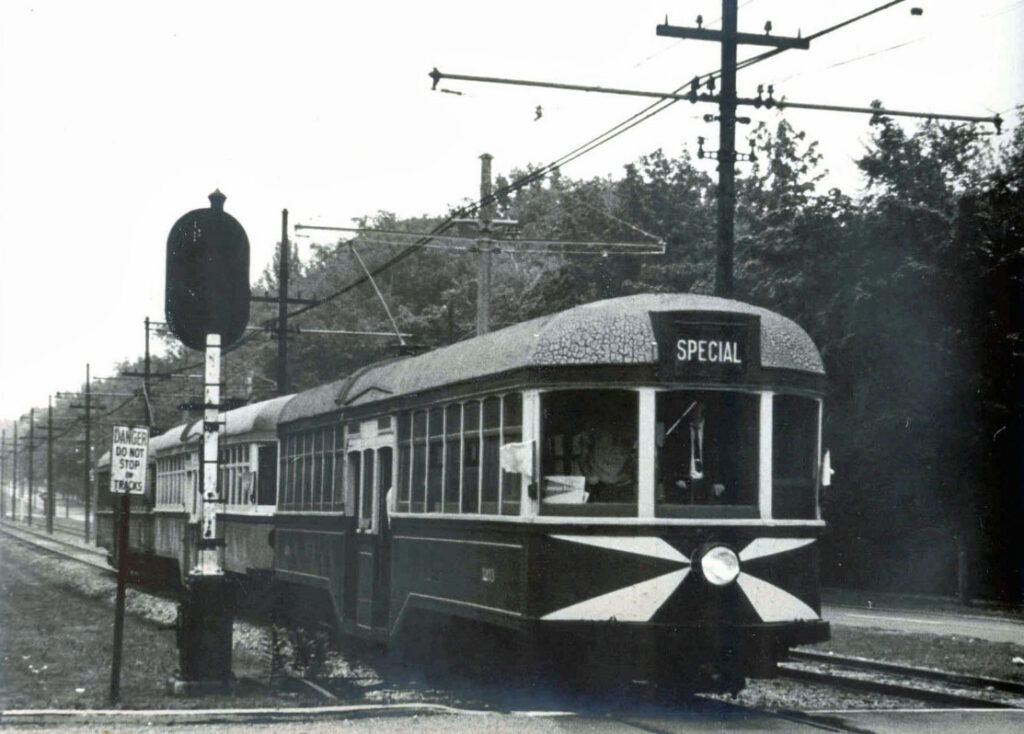
Sometime in the early 1960s, Lee met an older fellow who boarded with the family of a mutual friend. Red Bennett had worked for the Erie Railroad for many years and seemed to know everything about railroads of the time and from the past. It was finally in 1964 that I met Red. I have always considered April 21st, 1964 to be that pivotal point in time when the seeds for a museum were planted. On that day The Lakeshore Electric Model Railroad Club was the sponsor of a fantrip on the Shaker and Cleveland rapid transit lines. The fantrip used Shaker cars 12, 0X and 101.
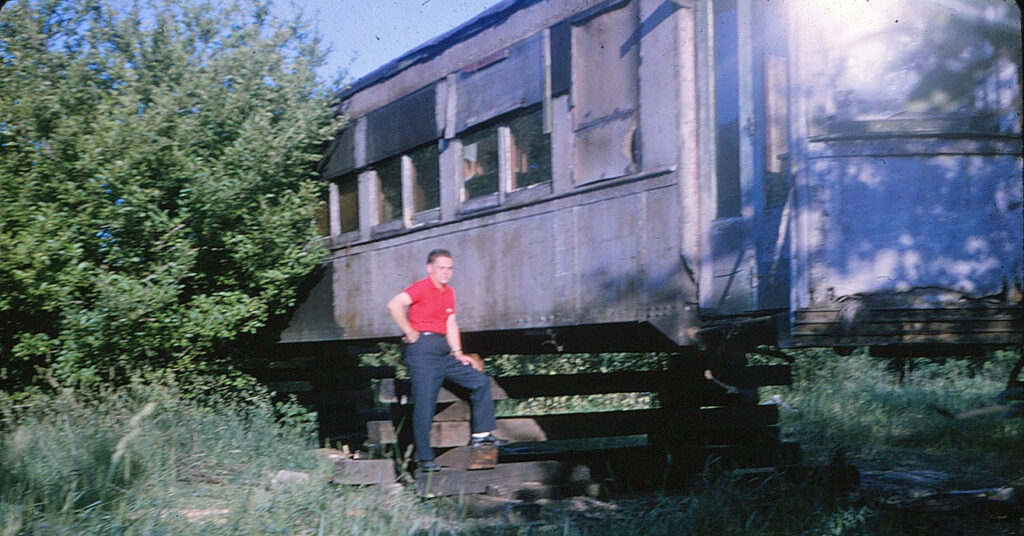
Over the next year we turned our enthusiasm into a plan to restore a Northern Ohio Traction & Light 1500 series interurban car. Many of the cars had been scrapped in the Cleveland area and there were a number of decent bodies available. Two of those bodies became the property of the museum on June 7, 1965 when we purchased the bodies of NOT&L 1510 and 1525. 1525 would be scrapped on site, 1510 restored. Concurrent with the early restoration work on 1510, I had begun working to prepare a set of bylaws and other paperwork to make us “official”. I also applied to IRS for non-profit status. These were both completed in early 1966.
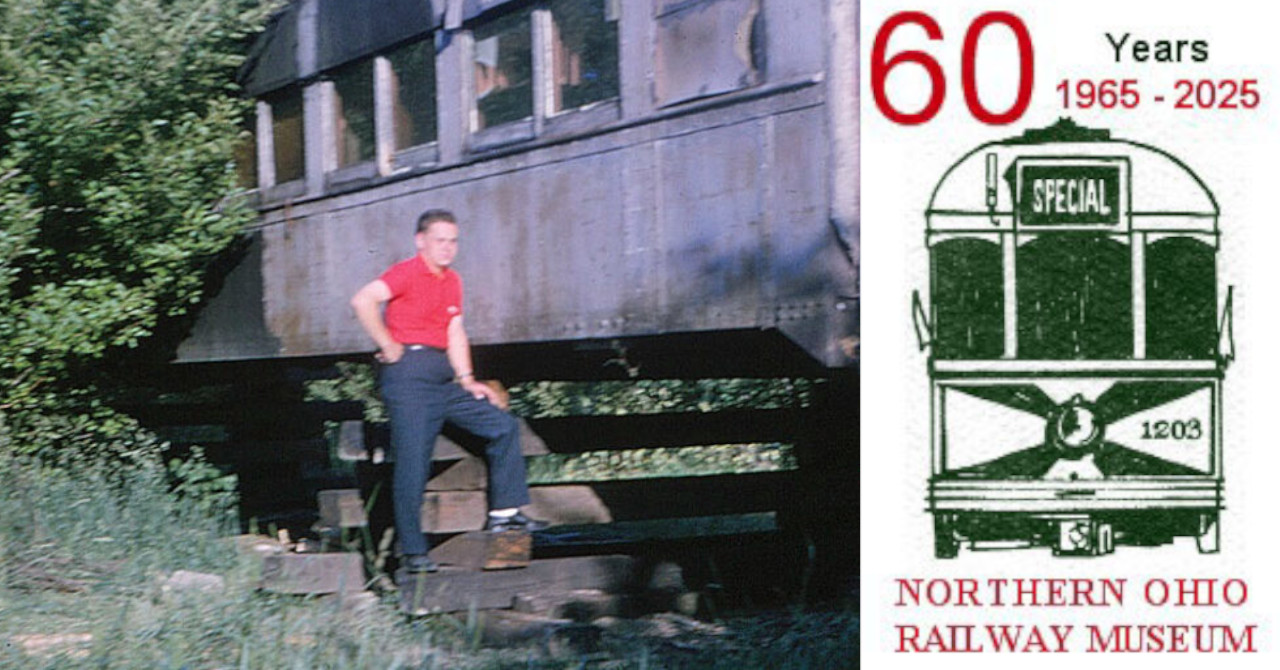
We have always considered 1965 to be when NORM was started. In reality, events as early as 1964 and as late as 1966 were involved. I personally have always considered June 7, 1965, when we acquired our first car bodies, to be the museum’s birthday.
In the spring of 1966, the organization of the museum was complete (for now) and we were ready to move forward. Just one problem—that guy in the top hat and striped pants pointing his finger at me. Uncle Sam. I was drafted in May of 1966 and was in the Army until March of 1968. I was stationed in Korea for most of that time. Lee was in the National Guard but got activated sometime in 1967. Red was a World War II veteran who had served under General Patton. He was left to keep the watch fires burning. Sometime in 1967, Red along with a mutual friend, Ron Jedlicka, moved 1510 to Trolleyville. That is where things stood in 1968 when I came home.
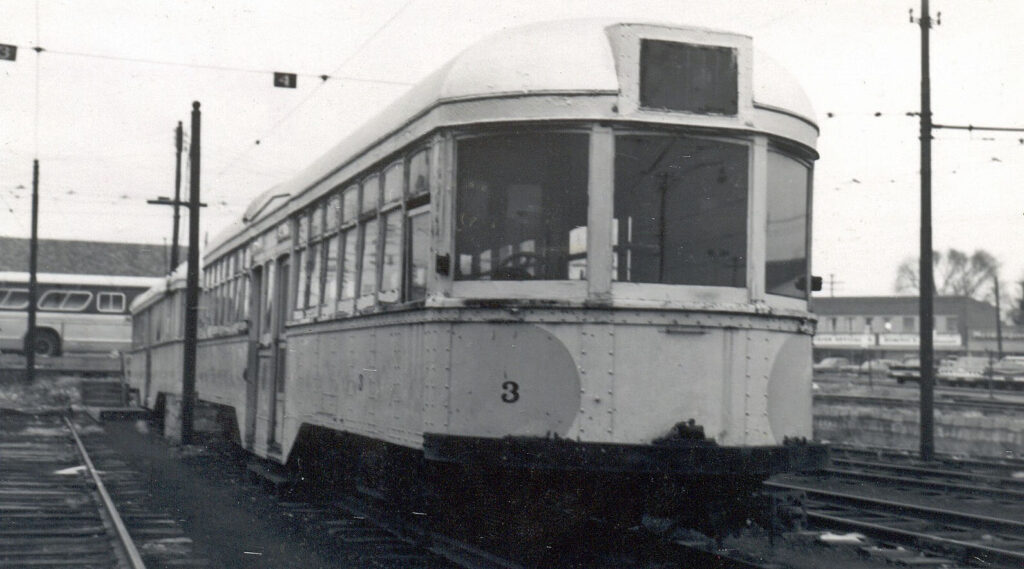
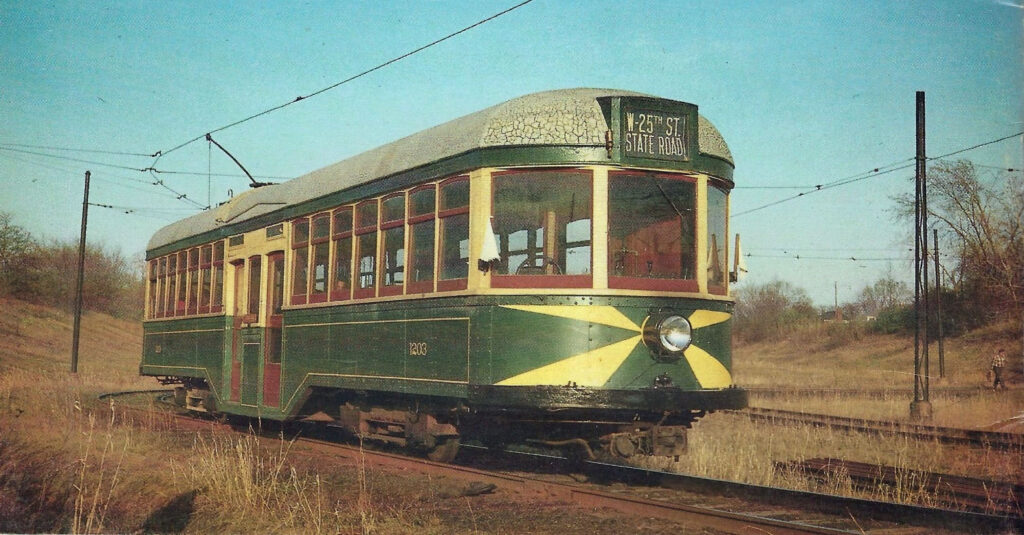
In 1968 and 1969 the museum purchased two cars—Shaker 3 and Toronto Peter Witt 2778. A cosmetic restoration of Car 3 began as soon as it was acquired. By the spring of 1969 the car had been renumbered back to 1203, restored back to its 1930 appearance and was ready for fan trips. The car was one of the original four 1200 cars leased by Cleveland Interurban Railroad in 1920 and the first to run on the new rapid, opening the Moreland line on April 11, 1920. In the fall of 1969 1203, along with Shaker cars 11 and 12 were used for fan trips on both the Shaker and CTS rapid lines.
2778 would remain in Toronto for a few more years. The end of the 1960s saw the museum with three cars in three locations in two countries. So, what was the most significant thing to occur in this first decade? I think the fact that the museum still existed on January 1, 1970 was pretty significant.
| By The Numbers | 1969 |
|---|---|
| Members | 7 |
| Cars/Carbodies | 3 |
| Land | 0 |
| Track (Total) | 0 |
| Track (Operating) | 0 |
| Overhead Wire | 0 |
| Buildings | 0 |
| Net Worth | $1,518 |