For many years, a popular image in the United States has been that of the trust, a group of vicious, grasping capitalists who exploit the people. During the streetcar era, this was the way in which many folks perceived the trolley companies, often encouraged by segments of the press. This idea of a single, easy to understand “cause” for all maner of problems seems to be tempting to many people.
As in other industries, this image had some validity. There certainly were some trolley companies whose quest for profits was excessive and whose methods were highly questionable. However, many, perhaps most of the companies were mainly concerned with just staying in business. With the exponential growth of US cities through much of the 19th Century, urban public transportation appeared to be a sure money-maker and was less expensive to enter than were many manufacturing operations. Thus, many people entered the business with the result that properties were overbuilt. Meanwhile, economic conditions changed, such that financial models that may have been valid when companies were founded were no longer able to create a profit or, sometimes, even to cover expenses.
The public perception of he companies as evil exploiters, in turn, often stood in the way of changes, such as easing of franchise requirements that might have saved the companies from extinction. But, even if these changes did come, they usually came much too late. Just to meet their payrolls and pay taxes, companies had to cut expenses, providing poor service and not performing maintenance, both of which only served to exacerbate public indignation. This classic example of a vicious cycle was one major factor underlying the demise of the American streetcar.
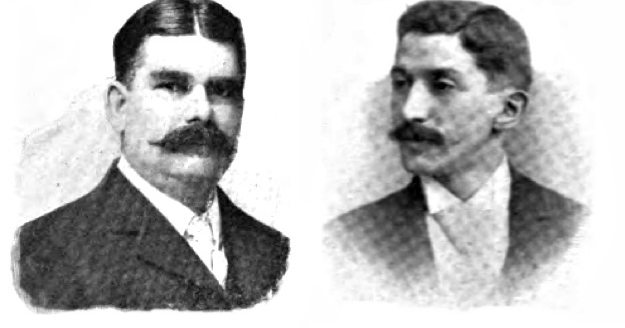
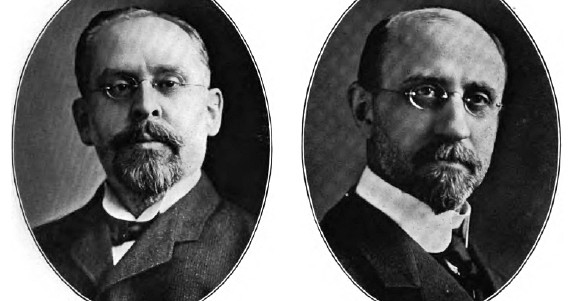
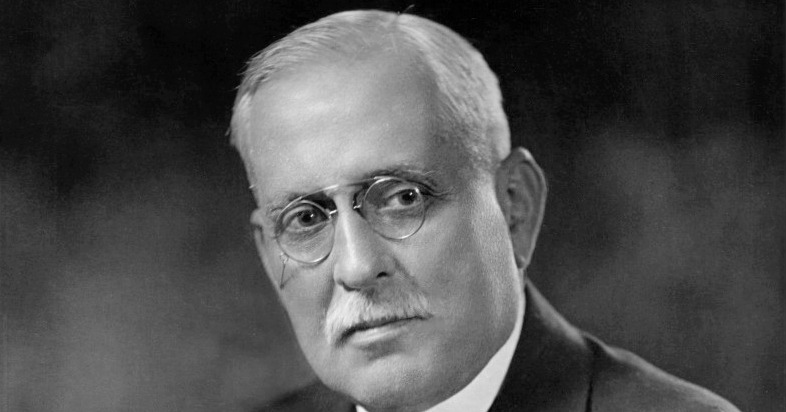
Pictures, all Wikipedia: 1) Everett & Moore of Ohio, 2) Pomeroy-Mandelbaum of Ohio and 3) Samuel Insull of Illinois. All major streetcar investors.