
Electric Railway Operations and Sale of Electricity: Electric railways often were the first major users of electric power in an area and, thus, were forced to build their own power stations. Furthermore, because this was the time when electricity was beginning to come into common use, it was a natural thing to build those power stations large enough that, in addition to powering the railway, they also could produce power to sell to the surrounding community.
This sale of power could be a major source of additional income to the railway company, but it also could hurt the railway, itself. Railways were extremely expensive to build, maintain and operate. Comparatively, distribution of electricity was less so. Simultaneously, the public’s demand for electricity was increasing rapidly. Therefore, the railway companies might expend their resources on power sales at the expense of the railway operations, often not improving or even thoroughly maintaining them.
Under these circumstances, there developed a self-reinforcing disparity between railway operation and power sales. Because the infrastructure for production of power for sale received the most attention, it became even more efficient and, therefore profitable, whereas rail operation did not. Then, as the rise of the automobile and tax supported improved highways reduced rail profitability, the disparity became even more pronounced.
There’s an old military adage: “Reinforce victory; don’t reinforce defeat.” Looked at in this way, it made sense for the companies to shift their emphasis to power sales. But this shift was a major contributor to the decline of electric railways, especially the interurbans.
This post was influenced by Hambley, S. “The Pioneer Route and Electric Railways on Northeast Ohio,” available through the NORM online shop.
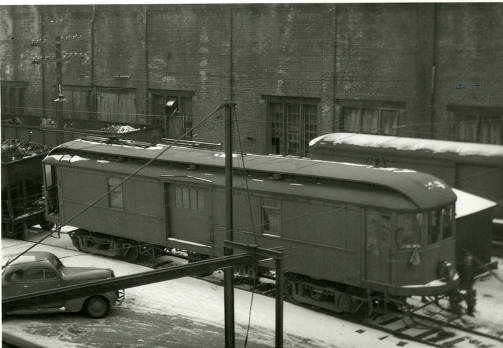
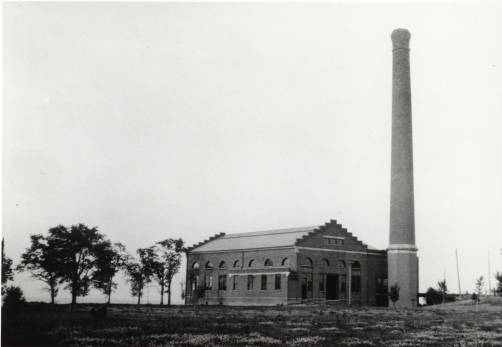
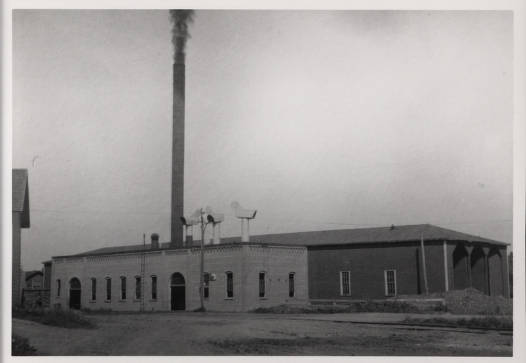
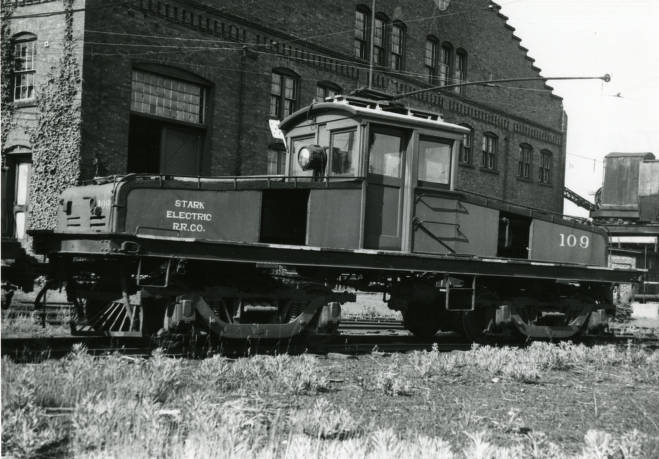
Pictures, all Columbus Metropolitan Library: 1) Lake Shore Electric Railway (LSE), Milan Power Plant, 2) LSE #28 at Fremont Power Plant, 3) LSE power plant at Beach Park and 4) Stark Electric Railway power plant at Lake Park