Throughout most of the 19th Century, development of practical uses of electricity focused on direct current. Of course, when electric power only came from storage batteries, DC was the only option. When the first electric generators were developed, lacking a commutator, they generated alternating current. But, soon, the commutator came into being, and DC continued to be the standard.
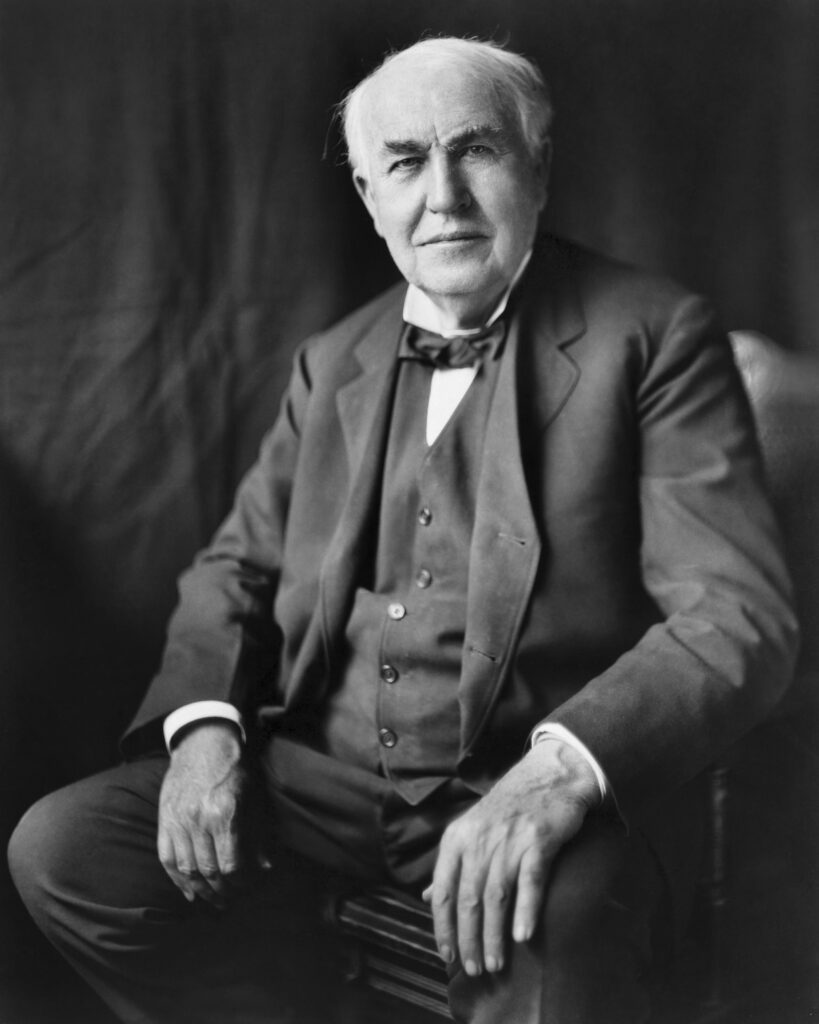
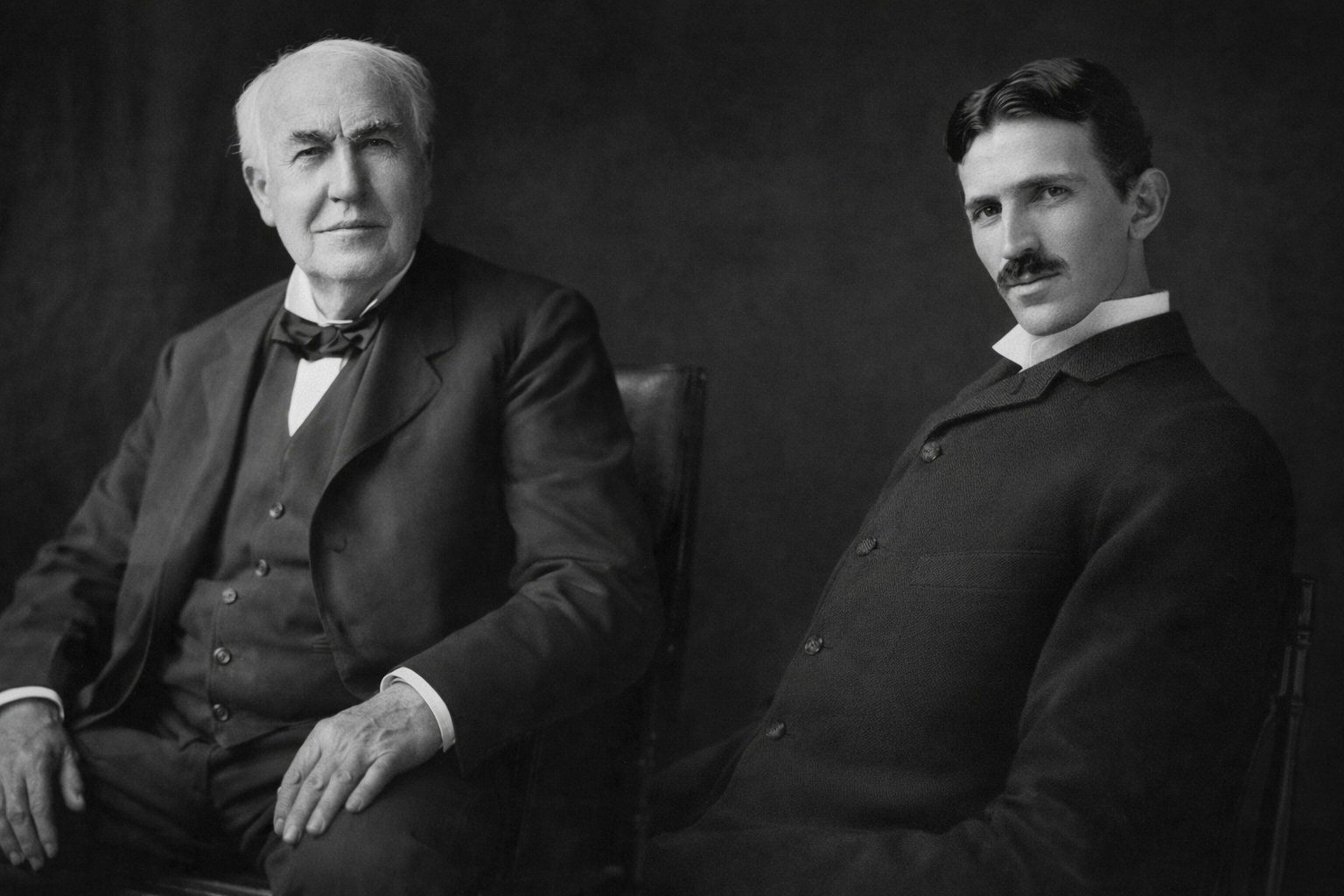
For propulsion of railway cars, DC had a great advantage because speed control was simply a matter of increasing or decreasing the amount of current in the essentially the same way that more or less steam controlled the speed of a steam engine. For the early AC motors, however, speed was tied to the rate of alternation, making such motors unsuitable for railway operation. Thomas Edison had done his work with DC and continued to favor it
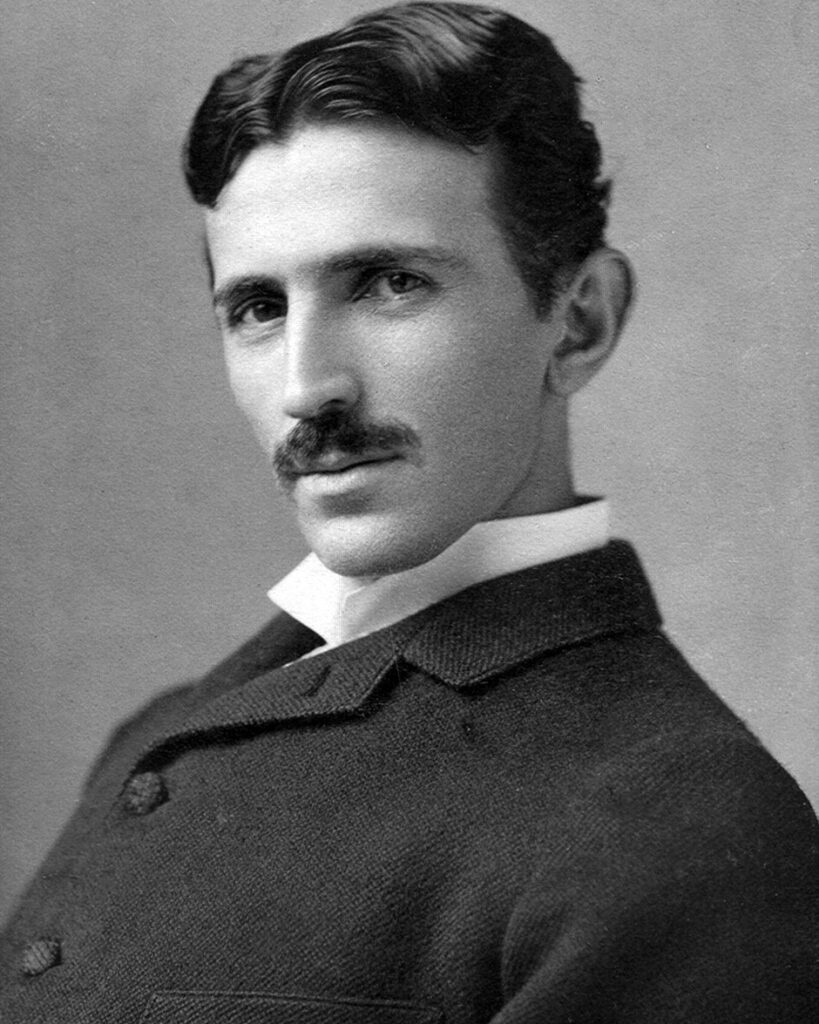
On the other hand, AC power, largely developed and championed by Nikola Tesla, had the great advantage of being readily transformed to higher or lower voltages. Because less energy is lost when power is transmitted at a high voltage, AC allowed for much more efficient power distribution, with voltage then reduced for use. Furthermore, because both residential and most commercial uses of electricity – lighting, heating and motors where variable speed was unnecessary – could use AC as easily as DC, AC eventually became the most common form of electricity. Methods of easily converting AC to DC were developed, making it possible for electric railways to enjoy the best of both worlds.