When electric urban railways really “took off” after Frank Sprague completed his successful 1888 Richmond, Virginia installation, the idea quickly developed that the wonderful electric technology that was showing such potential for providing urban transportation could also be applied outside of urban areas. Because the interurban idea grew out of what was being done in the towns, the earliest lines to venture into rural areas tended to be extensions of urban systems into suburbs.
In some places, especially in New England, electric lines that operated outside of towns often did so as rural versions of the city systems. If they didn’t actually run in the middle of streets as they did in town, they mostly ran immediately along roadsides, and this pattern never changed. In other placers, electric lines in rural areas were built on their own independent rights of way, running on public streets only when entering towns, and sometimes not even then. But even these independent rights of way could differ greatly, from lines built in the simplest, least expensive manner to lines that rivaled steam railroads in their construction. Furthermore, some of these lines reached only as far as the nearest suburb while others covered great distances.
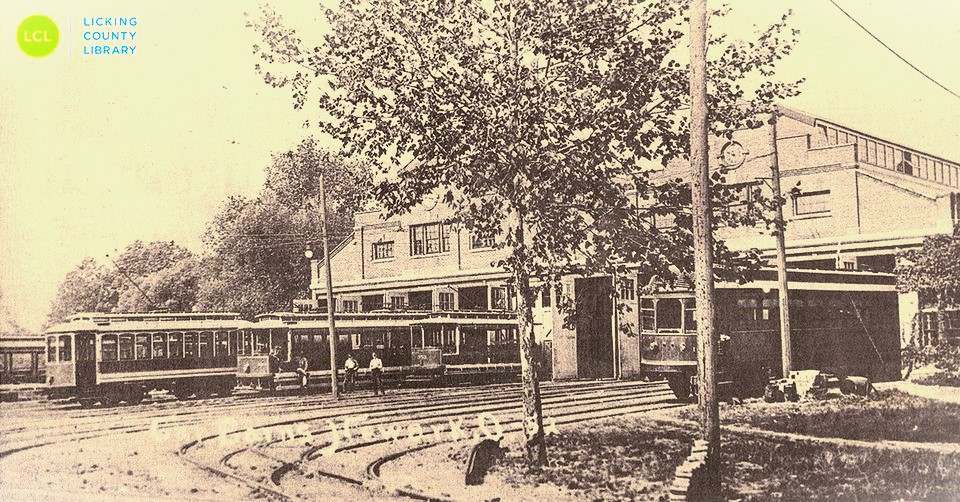
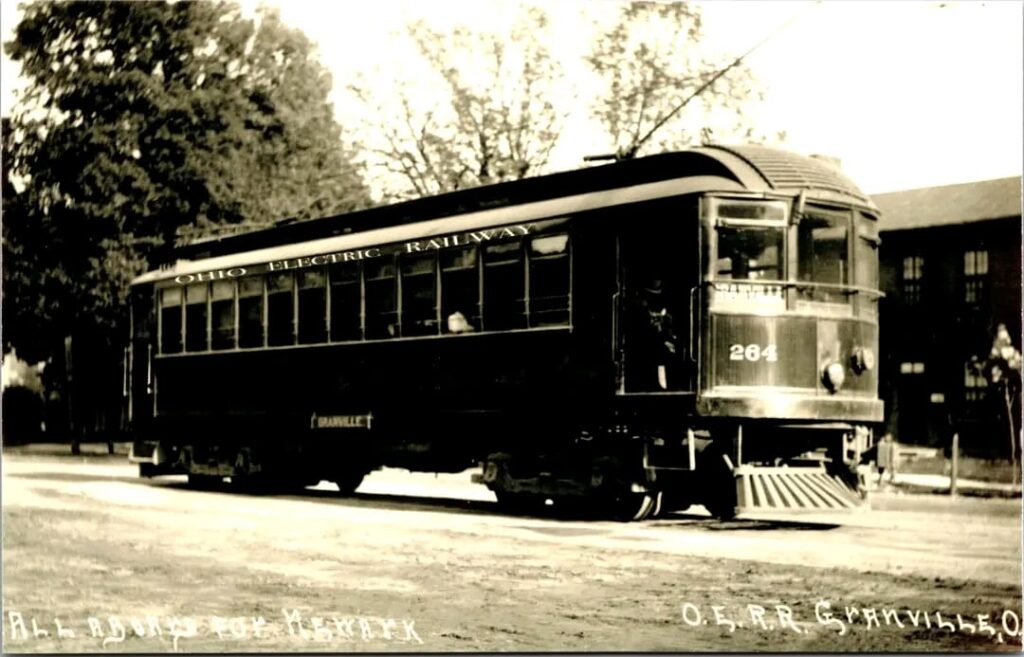
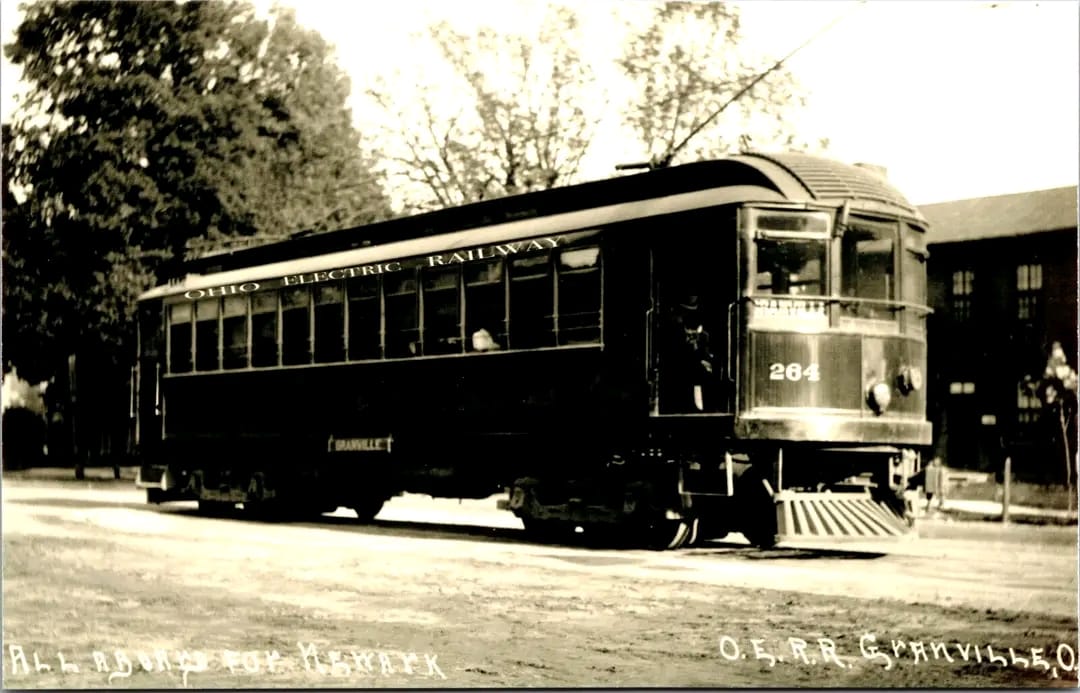
So, the question of where and when the American interurban, as opposed to the city or suburban trolley line, was “born” depends on what we classify as being an interurban. The great variety among these lines makes this classification quite arbitrary. Thus, there has been considerable dispute over which interurban was “first,” with different authorities plumping for their favorite candidates. Hilton and Due, in their seminal “The Interurban Railway in North America,” suggest Ohio’s Newark and Granville Street Railway, 1889, as being the first. This was a short, not very successful line and, over the next few years, other larger, more successful operations developed, in Ohio and elsewhere. So, maybe, the interurban wasn’t “born.” Maybe it just developed as a progression from strictly urban to unquestioned interurban.