In addition to the people who actually rode on the cars, there was one other individual who, as systems became larger and more complex, also became central to car operation. This was the dispatcher, the person who oversaw the process by which cars were directed to move over the line, ensuring that schedules were kept and conflicts avoided.
In the early days of street railways, there was no need for elaborate methods of dispatching because lines were short and speeds were slow, allowing cars to operate simply by schedules. However, as city systems became larger and more elaborate, it sometimes was necessary, at points where service was heavy and street traffic congested, to place employees who could oversee operation and make adjustments.
With interurbans, and even more with rapid transit systems, where operations could be complex and speeds greater, much better control was needed. When, for any number of reasons, a car wasn’t where it was expected to be, other cars might have to delay or, much worse, collisions might happen. So, following steam railroad practice, some lines began to assign an employee to dispatch cars by telegraph to stations along the line where orders could be passed to the cars as they arrived. Better control could be maintained, also, by placing telephone connection boxes at frequent points along a line, making it possible for operating crews to contact a central dispatcher when problems or questions arose.
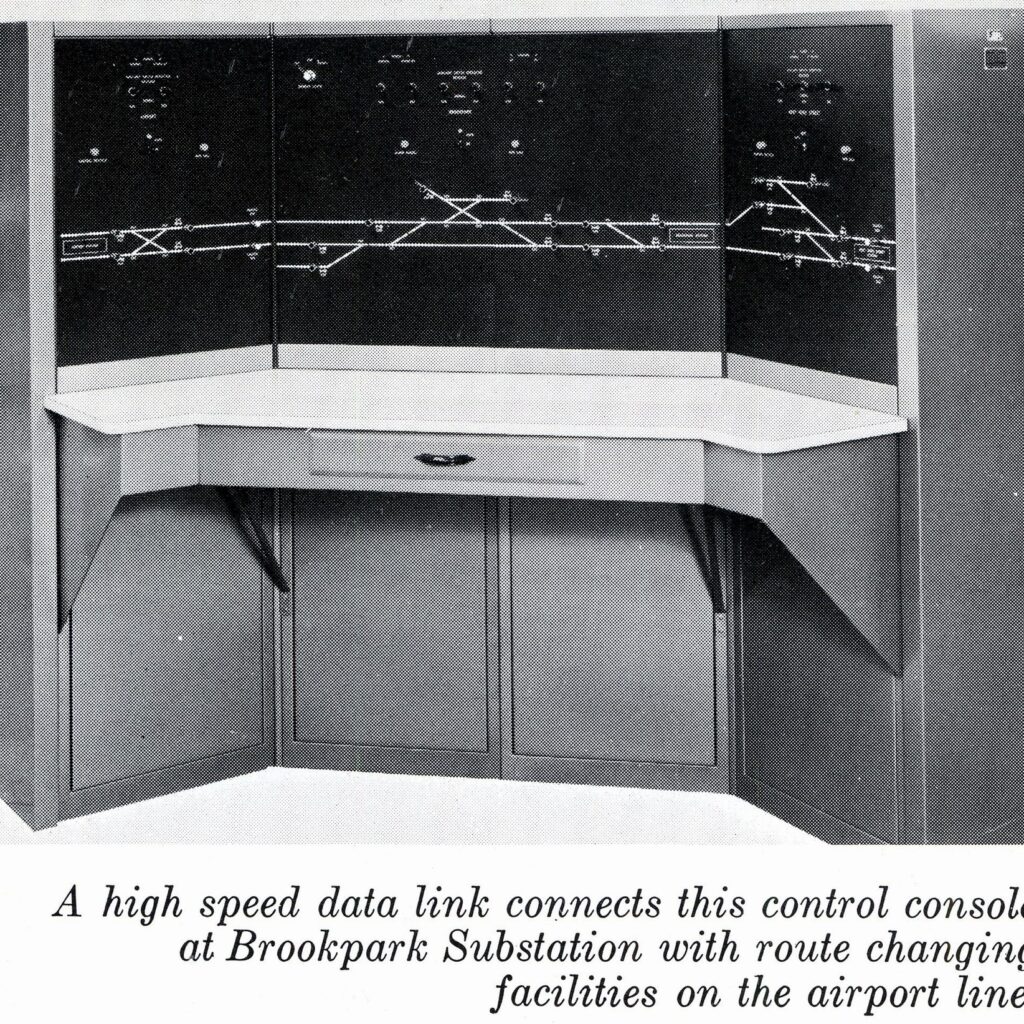
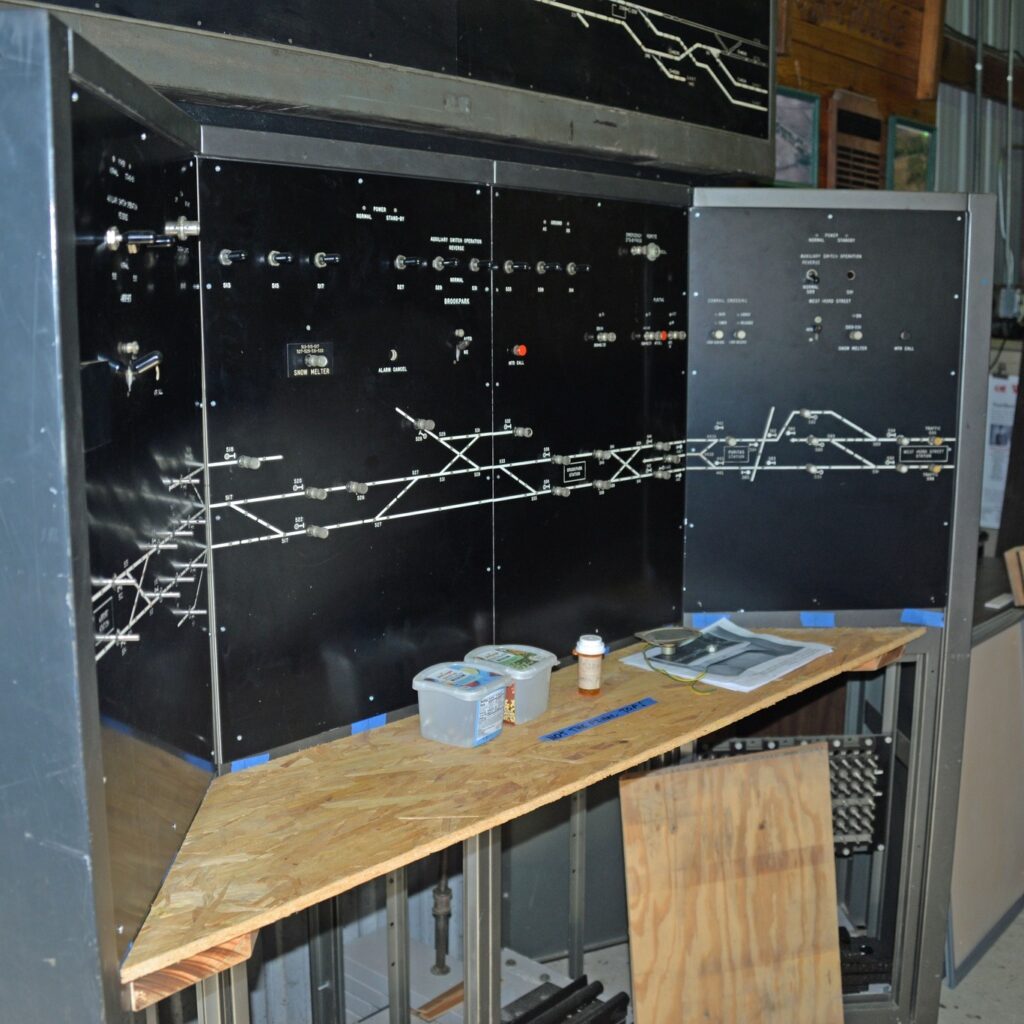
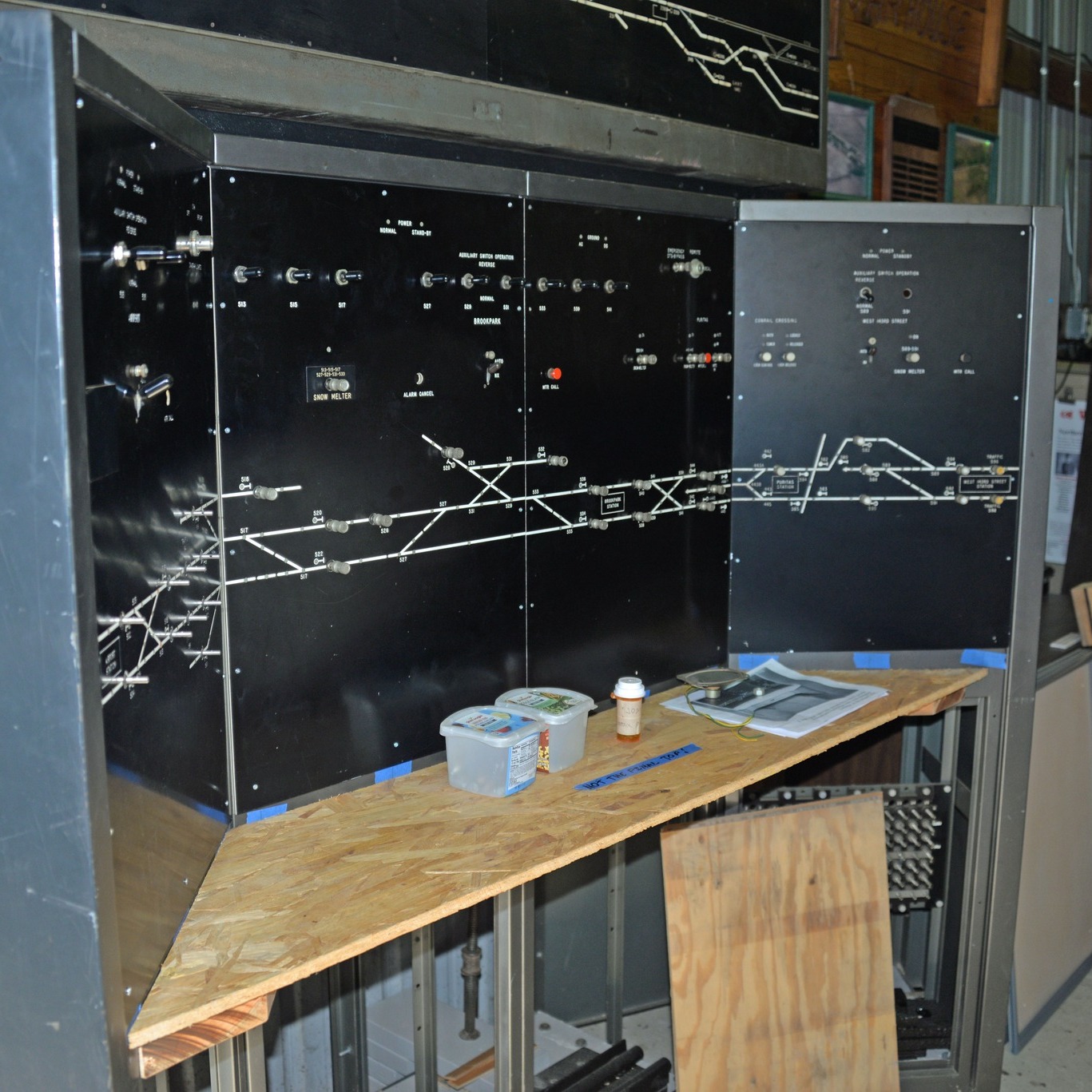
However, a few lines became complex and busy to the point that even this level of control was insufficient. This problem was especially great on rapid transit systems. On such lines, centrally controlled interlocking signal systems, as developed for steam railroads, were installed.