We’ve been looking at the relationship between Cleveland’s street railways and the development of suburbs. So far, we’ve considered suburbs to the east and the west. As we know, Cleveland area population has tended to orient in those directions. But what about to the south?
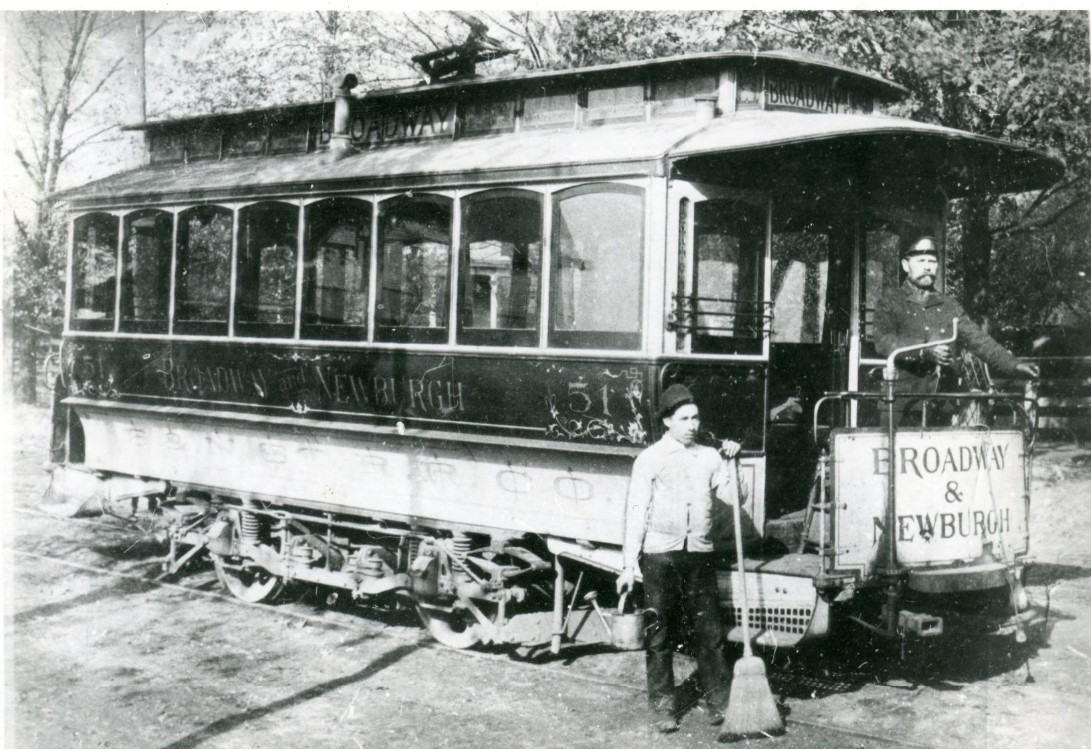
The community of Garfield Heights began as a part of Newburgh, splitting off in 1907 to become the Village of South Newburgh. Because of the region’s east-west focus, in 1900 the south was a lightly settled, mostly agricultural area. The first electric trolleys reached Newburgh in 1890 but came no farther. Then, in 1915, the busy E 105th St crosstown trolley line was extended into the area, reaching Garfield Park Loop. Soon after, real estate development became active and, between 1920 and 1930 when the village became the City of Garfield Heights, the population increased from 2,530 to 15,589. As Cleveland’s most important crosstown line, the line to Garfield Park line made possible easy connections to other parts of the city, especially via the Harvard and the Broadway lines, providing easy service to the primary industrial and commercial districts.
Garfield Heights differed from the other developments we have discussed, Cleveland Heights, and Clifton Park, in its population. Rather than being an area intended to allow upper and upper-middle class families to move away from the central city, it was, like other regions to the south of the city, very much an area for the city’s working class, with large immigrant populations. For this population, the good trolley connections were especially important.


Electric railways were the heartbeat of Northeast Ohio. We’ve brought that heritage home to Seville, where you can walk through a century of transit evolution. Don’t just read about the “Electric Railway Era”: come experience it starting Saturday, May 23rd. View our Historic Trolley Ride Schedule and join us for our 2026 opening!