

Before modern highways, Ohio cities like Akron relied on electric streetcars. This post explores how the rise of the automobile turned our streets into traffic jams and led to the end of the trolley era.
“Get that trolley out of MY way!” Even in the first half of the 19th Century, some American city streets were becoming crowded. Horse railway cars were part of the mix and may have contributed to the problem because they made it possible for people to live farther than walking distance from their places of employment. As the century progressed, crowding increased.
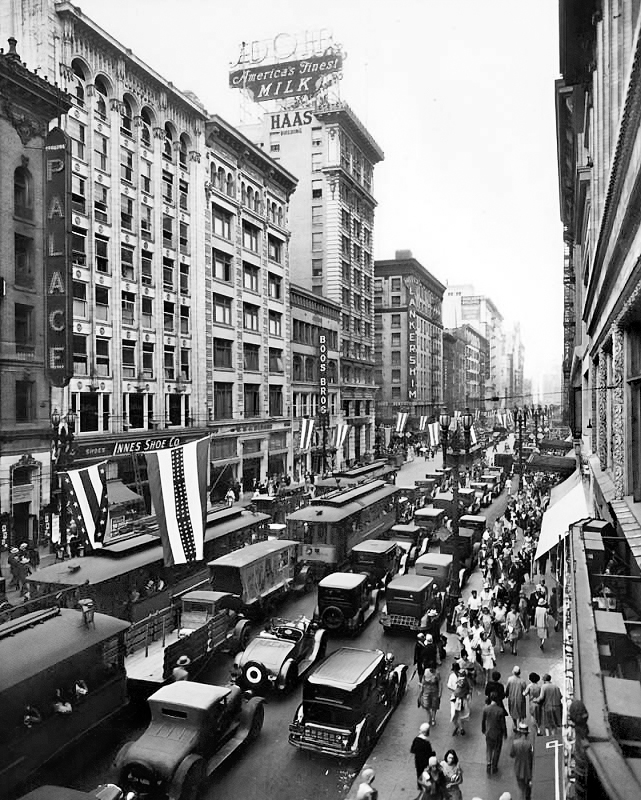
With the coming of the automobile, this crowding became even more pronounced. Now, many more people had their own means of transportation. This change resulted in some decrease in the number of trolleys but, in the trade off, the number of vehicles on the streets increased by a large factor. What had been crowded streets became traffic jams.
Because trolleys occupied tracks in the centers of the streets and had to make frequent stops to load and unload passengers, they were seen as causing the jams. Patience doesn’t seem to be a prime American virtue, at least among automobile drivers. After all, a big motivation for car driving is to get places quickly. Agitation mounted to eliminate the trolleys, becoming one of the major factors in their elimination.