Trolley Tales
At the Northern Ohio Railway Museum, we believe history is meant to be experienced, not just studied. Trolley Tales is our digital gallery of stories, photos, and research dedicated to the rail lines that once connected our communities. From the technical details to the memories of passengers who rode them, these tales are your gateway to Ohio’s rich railway legacy. We invite you to explore the archives here, and then visit us in Seville to see these historic treasures in person.
-
Dispatchers
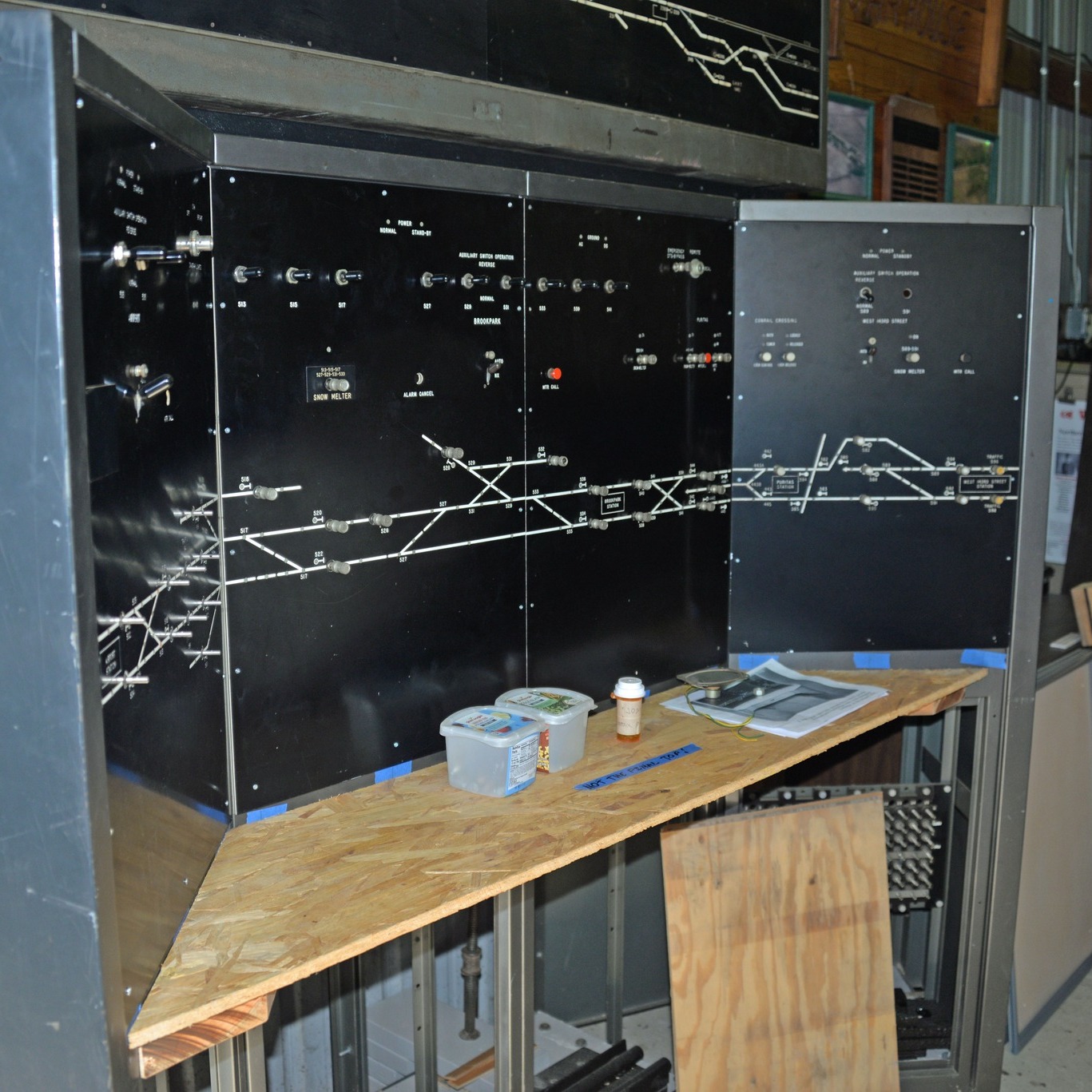
In addition to the people who actually rode on the cars, there was one other individual who, as systems became larger and more complex, also became central to car operation. This was the dispatcher, the person who oversaw the process by which cars were directed to move over the line, ensuring that schedules were kept…
-

Car Crews 1
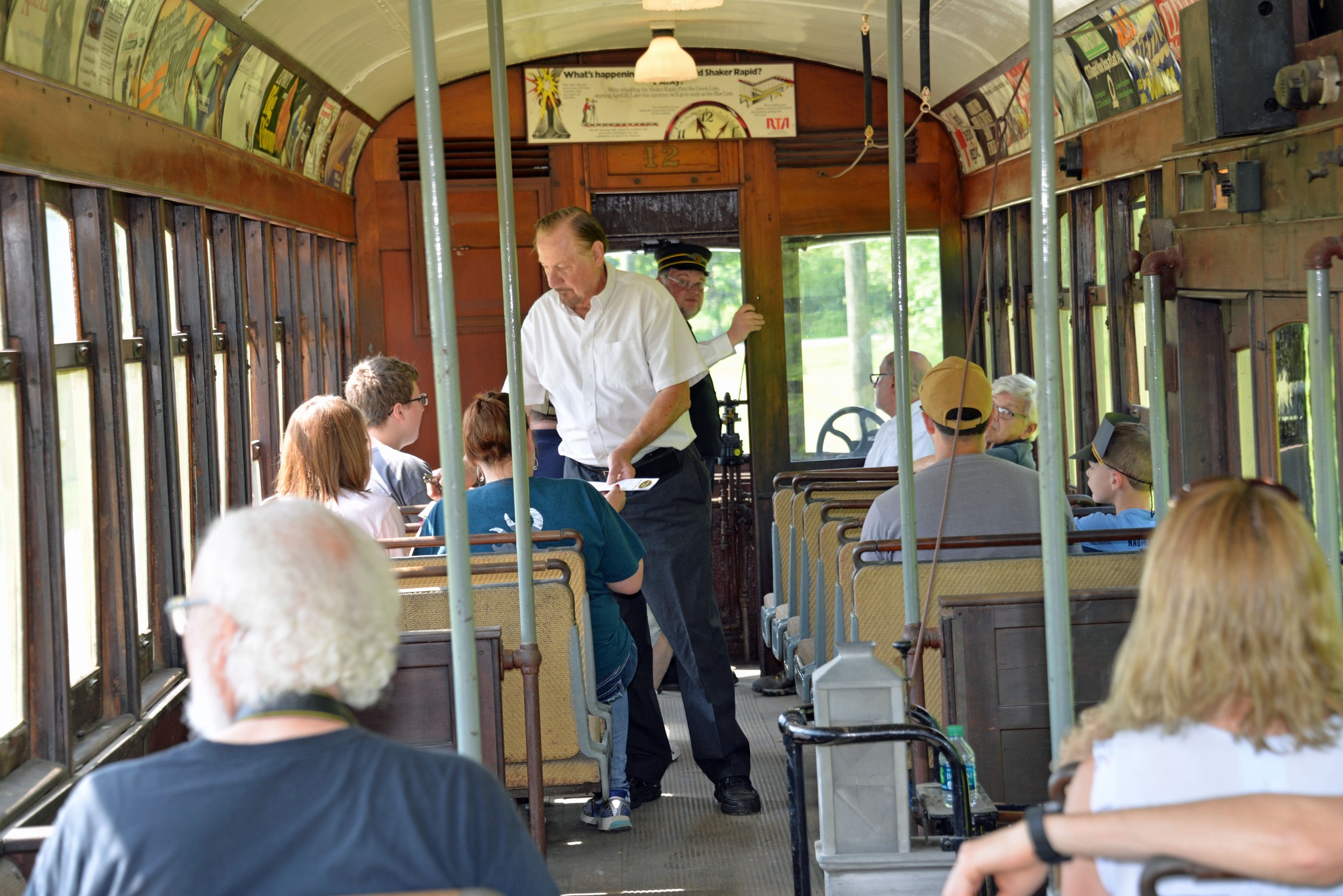
From their earliest days and for many years afterwards, trolleys carried a two man crew. This arrangement made sense for the operating companies before the development of mechanized fare collection equipment because it ensured that all fares all were collected. The public, concerned about potential dangers from the electric cars that were much heavier and…
-
AC ⚡ DC
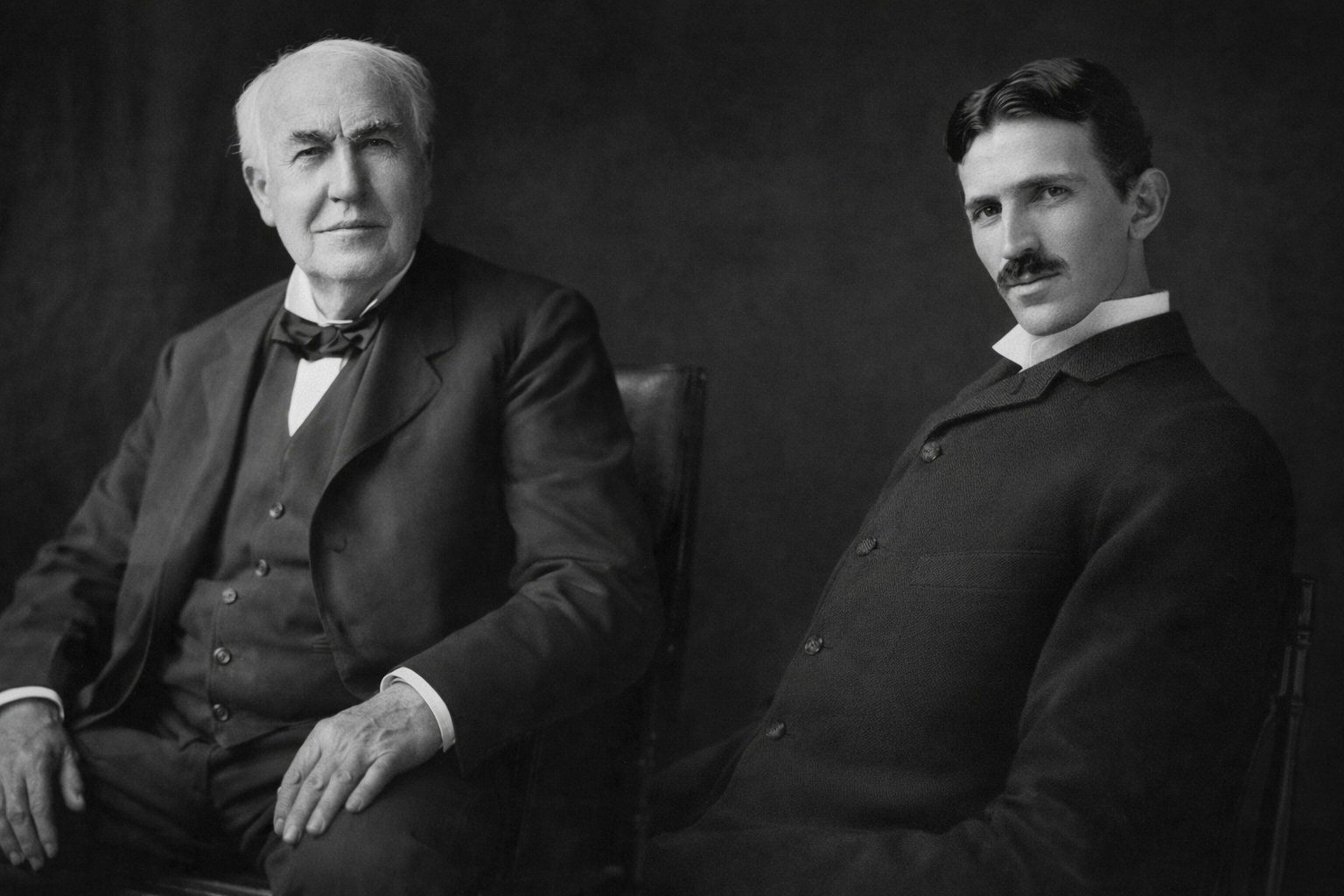
Throughout most of the 19th Century, development of practical uses of electricity focused on direct current. Of course, when electric power only came from storage batteries, DC was the only option. When the first electric generators were developed, lacking a commutator, they generated alternating current. But, soon, the commutator came into being, and DC continued…
-
Birth of the Interurban
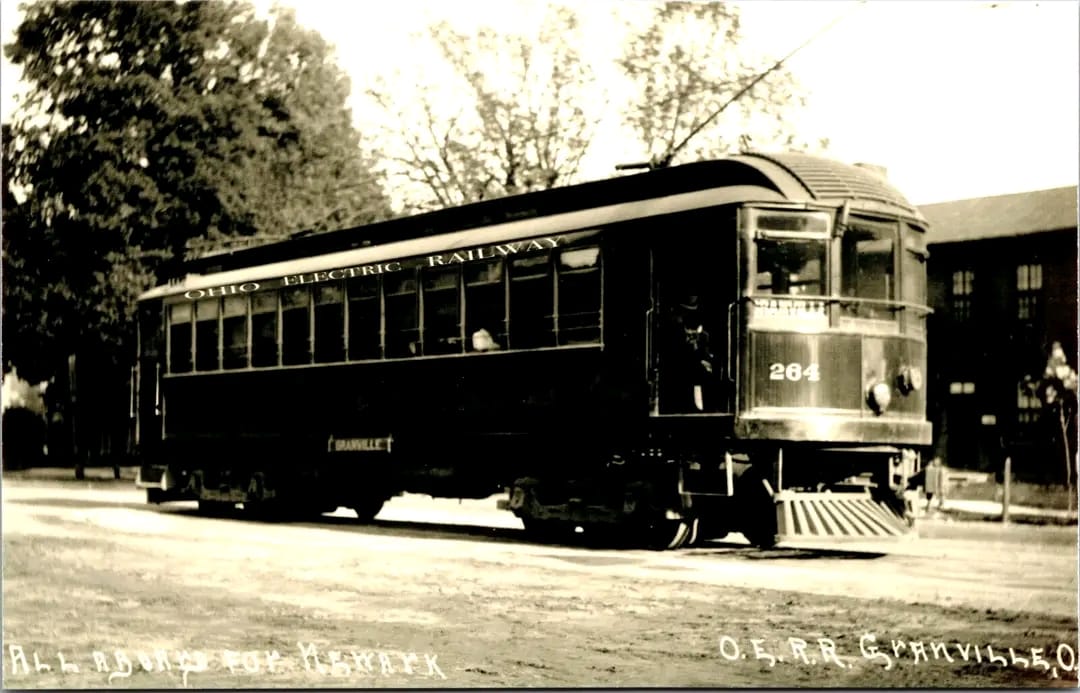
When electric urban railways really “took off” after Frank Sprague completed his successful 1888 Richmond, Virginia installation, the idea quickly developed that the wonderful electric technology that was showing such potential for providing urban transportation could also be applied outside of urban areas. Because the interurban idea grew out of what was being done in…
-
Multi-Track Electric Railway Lines
Small town trolley systems and branch lines in larger towns often operated on a singe track. More important lines, especially in large cities, generally were double track. But there were a few places where more tracks were used. In one case, Los Angeles’ Pacific Electric Railway had a four track line simply because traffic was…
-
Dinkeys
This word seems to have had several meanings on different trolley operations, but in Cleveland it had more to do with the line than with the cars that operated on them. These were shuttles, short lines on which a car or two ran back and forth either as short connections between through lines or as…
-
From Stagecoaches to Interurbans
This may be getting a bit off topic, but it does have to do with the pre-history of the interurban network. We have discussed the Electric Package Company that provided a very extensive interurban express network across Ohio and neighboring states. This system followed in the path of railroad express companies, dating at least as…
-
The Magic City: How Trolleys Fueled the Growth of Barberton, Ohio
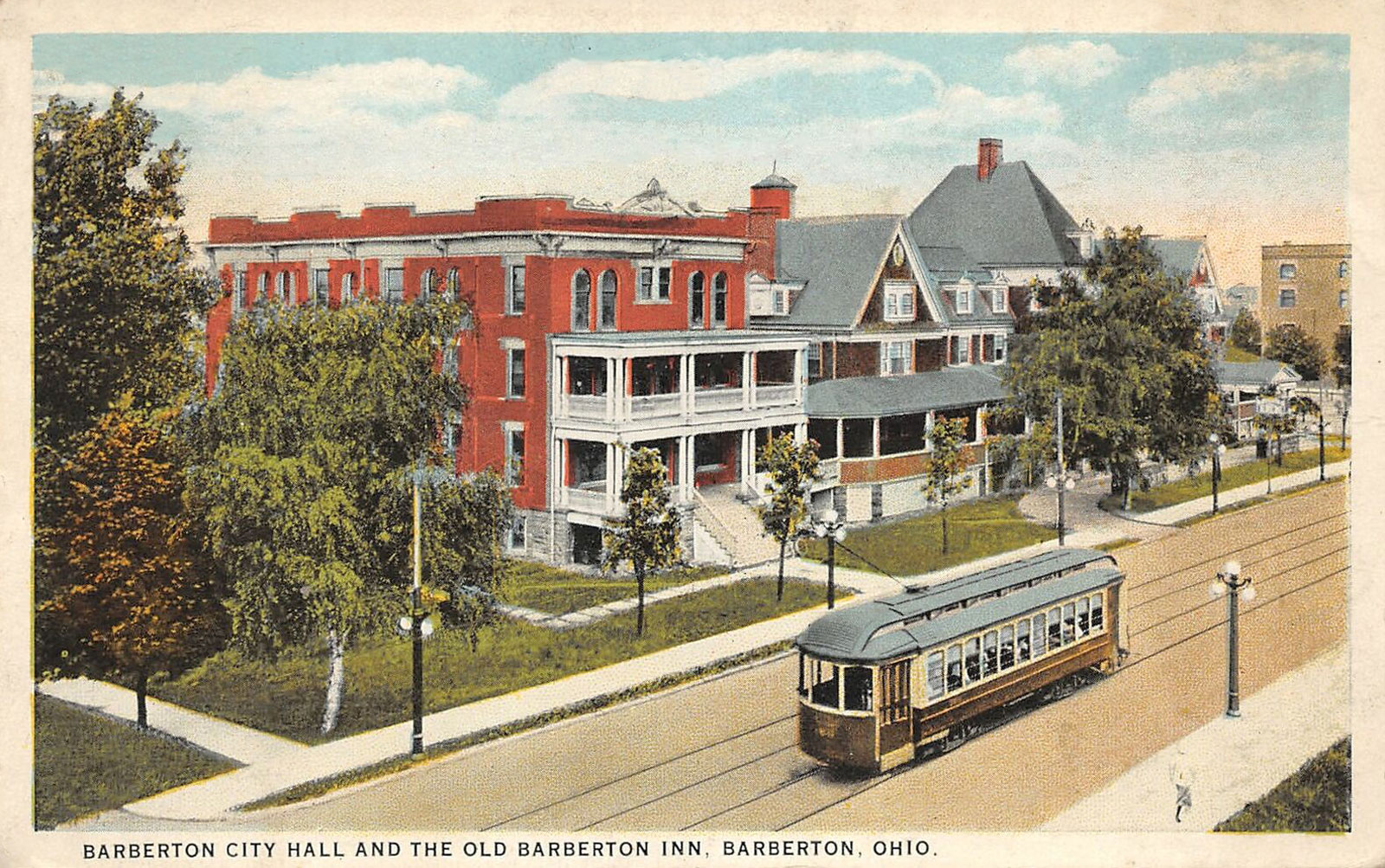
The Vision of O.C. Barber Barberton is located to the south west of Akron. It was founded in 1891 when O.C. Barber, founder of the Diamond Match Co., located his factory at an undeveloped site and built a town to house his employees. This was not to be the classic “company town,” a money-making proposition…
-
Garfield Heights
We’ve been looking at the relationship between Cleveland’s street railways and the development of suburbs. So far, we’ve considered suburbs to the east and the west. As we know, Cleveland area population has tended to orient in those directions. But what about to the south? The community of Garfield Heights began as a part of…
-
Clifton Park
We’ve been talking about Cleveland’s East Side streetcar suburb, Cleveland Heights. Let’s look at the West Side. What became Lakewood’s Clifton Park was founded in 1866 by a group of Cleveland businessmen not, originally, as a suburb but as a resort. This became, and remained popular through the 1870’s and ‘80’s, with swimming beaches, boating,…