Trolley Tales
At the Northern Ohio Railway Museum, we believe history is meant to be experienced, not just studied. Trolley Tales is our digital gallery of stories, photos, and research dedicated to the rail lines that once connected our communities. From the technical details to the memories of passengers who rode them, these tales are your gateway to Ohio’s rich railway legacy. We invite you to explore the archives here, and then visit us in Seville to see these historic treasures in person.
-
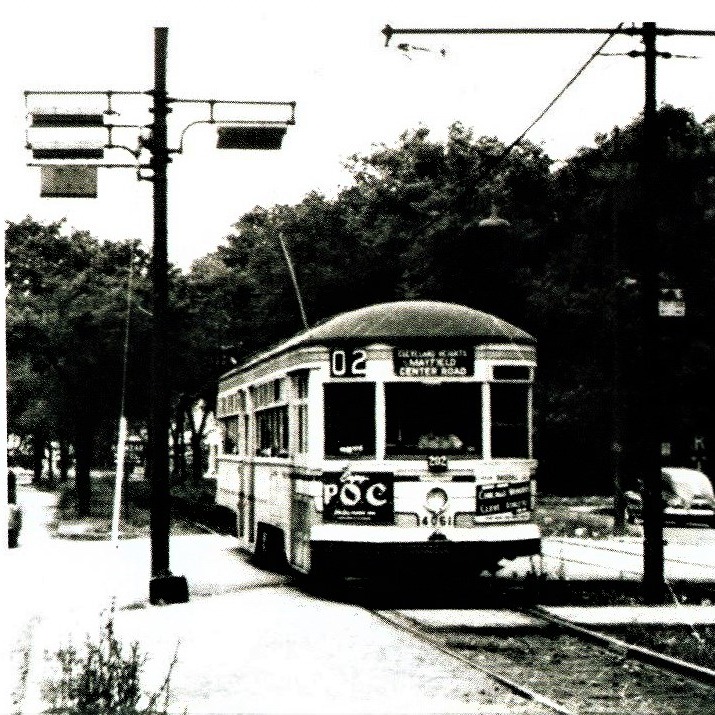
Trolleys and the Development of Cleveland Heights: Part 4
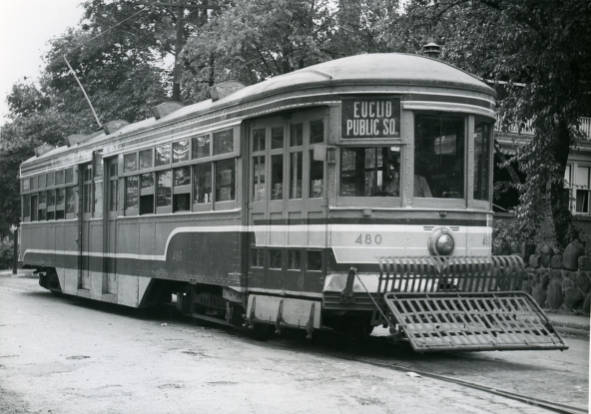
The Final Extensions So far, we have seen Cleveland Heights beginning to develop along the lines of its trolleys: the initial line up Mayfield Hill to the cemetery and which eventually reached Lee Rd, the line to and eventually up Cedar Glen, the line from the top of the Glen along Euclid Heights Blvd, and…
-

Trolleys and the Development of Cleveland Heights: Part 3
The First Shaker Rapid Transit: So far, we have looked at the role of trolleys in the development of the western part of today’s city. Now we will look farther east. So, what’s this about a FIRST Shaker line? We know that Van Sweringen brothers built a transit line that connected their new Shaker Heights…
-
Trolleys and the Development of Cleveland Heights: Part 2
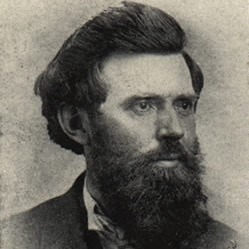
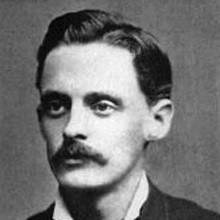
Patrick Calhoun (1856 – 1943), grandson of the Vice-President, was born in South Carolina. Going into the law, he became interested in railroads and, by the 1890’s, in street railways. A business trip brought him to Cleveland and he had occasion to visit the Heights. Recognizing it’s potential for development as a desirable suburb of…
-
Trolleys and the Development of Cleveland Heights: Part 1
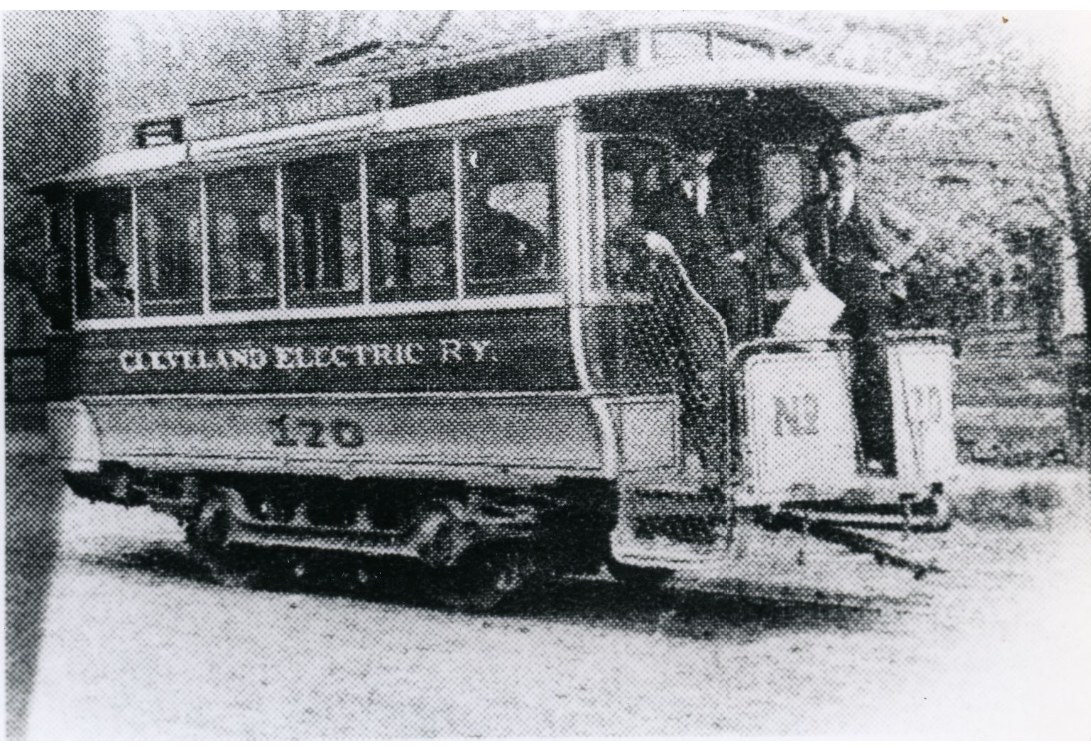
Many trolley suburbs came about because developers built lines to attract residents. For Cleveland Heights the process was somewhat more complex. The first trolley to the region came for a slightly different reason. Dr. Nathan Hardy Ambler (1824 – 1888) was a Cleveland dentist who went into real estate development. This, in turn, led him,…
-
Car 303
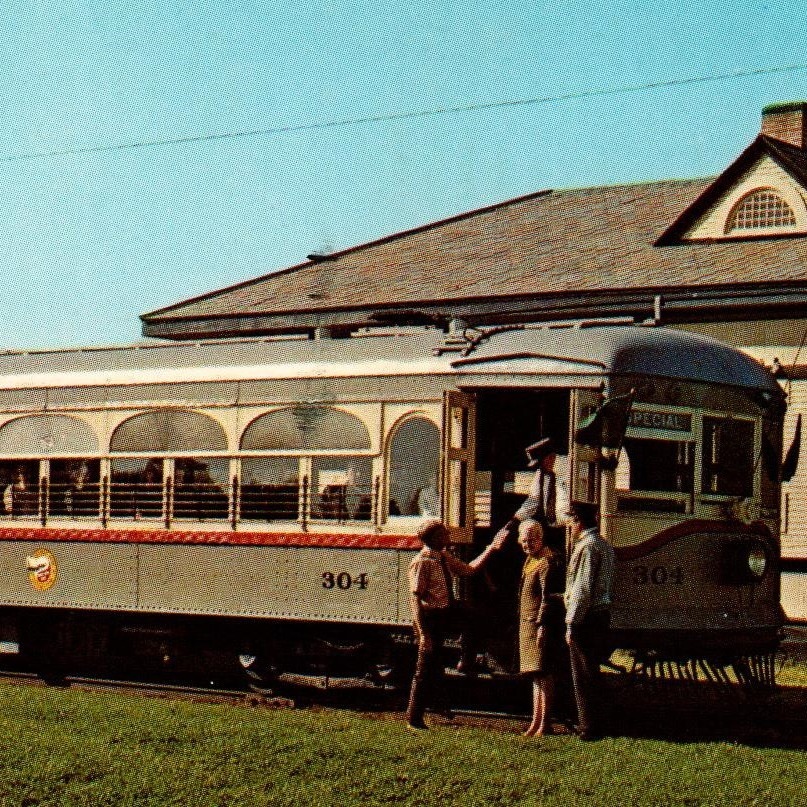
Last week, we discussed the brief history of the line for which this car, now in the Northern Ohio Railway Museum collection, was built. In addition to its background, this car itself has an interesting history. It was, as we said, built in 1926 for the Aurora, Elgin & Fox River interurban at the time…
-
Illinois Interurban
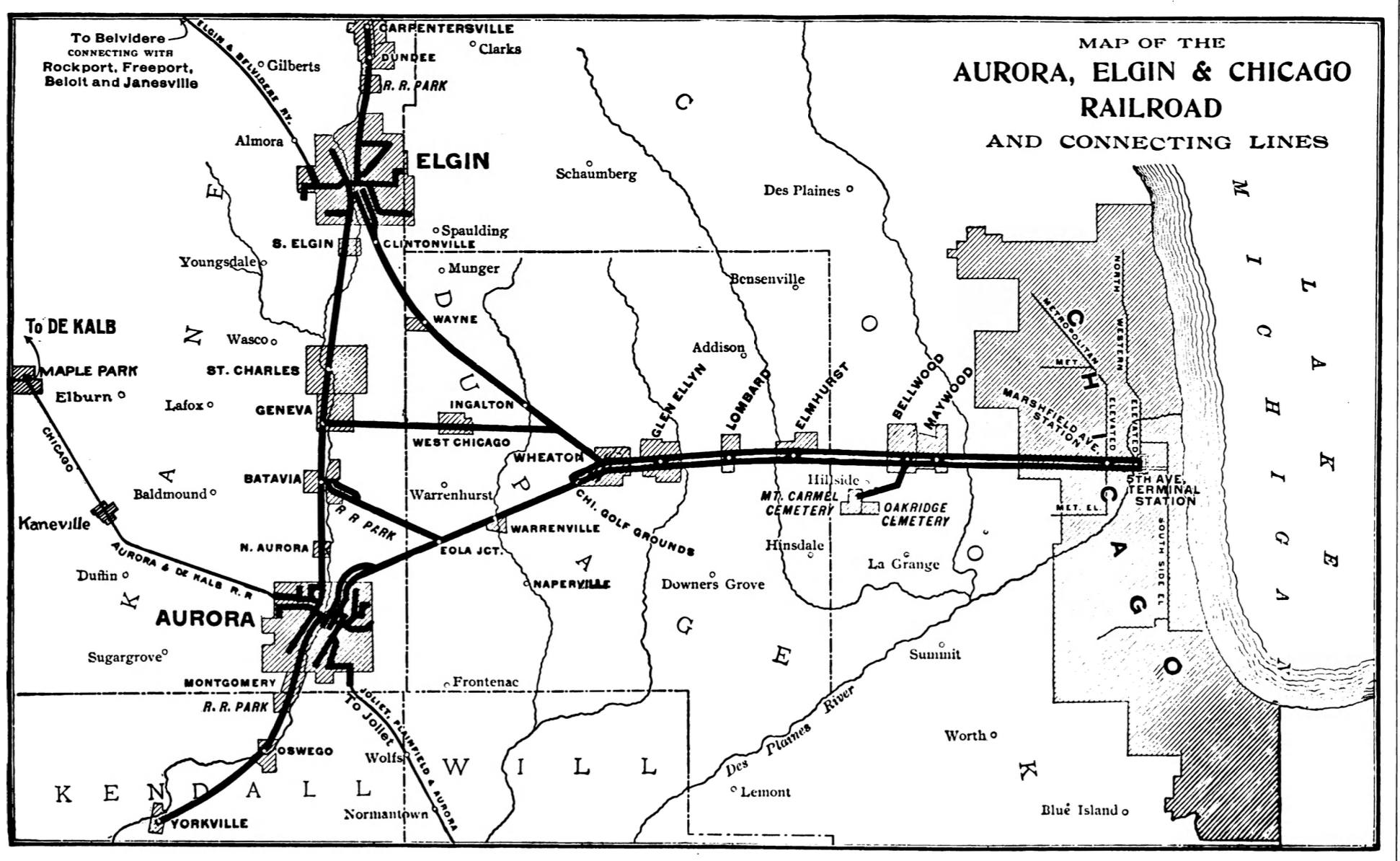
So what is the interest of an interurban in Illinois to Northern Ohio Railway Museum? Read on and we’ll tell you. The Fox River runs roughly north to south, about 40 miles west of Chicago. Along that stream are a number of cities, including both Aurora and Elgin. In the 1890/s, these towns desired an…
-
More Forgotten Pioneers
More Forgotten Electric Railway Pioneers: In reading about the very early days of railway electrification, we run into the name of a company that carried out a large percentage of those electrification projects, the Thompson-Houston Electric Co. Then, after a few years, the name disappears. Who were those men and what happened to them? Edwin…
-
Free Rides
So, who doesn’t like a “freebie?” However, free rides could be an expense and a source of conflict for streetcar companies. In the earliest days, when car riding hadn’t become an established habit, a few companies started by offering free rides for the first week or two. All went well until the free period ended…
-
Forgotten Pioneer
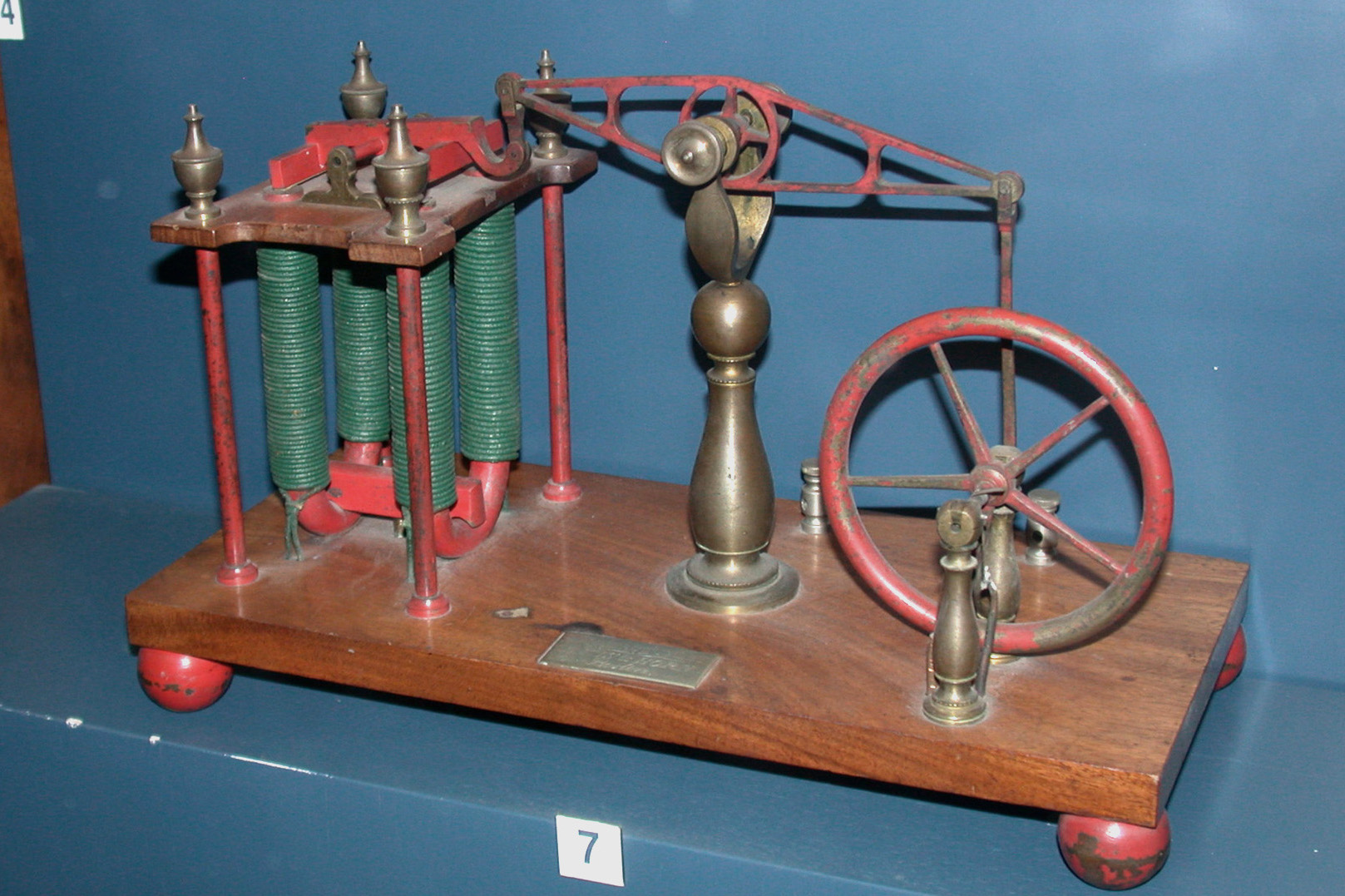
Dr. Charles Grafton Page, 1812 – 1868 was born and raised in Salem MA, giving him ready access to the Salem Athenaeum, one of the best libraries of the day. He graduated from Harvard in 1832 and completed medical school in 1836, becoming a physician. He had been interested in electricity from childhood, doing electrical…
-
Trolley Trusts
For many years, a popular image in the United States has been that of the trust, a group of vicious, grasping capitalists who exploit the people. During the streetcar era, this was the way in which many folks perceived the trolley companies, often encouraged by segments of the press. This idea of a single, easy…