Trolley Tales
At the Northern Ohio Railway Museum, we believe history is meant to be experienced, not just studied. Trolley Tales is our digital gallery of stories, photos, and research dedicated to the rail lines that once connected our communities. From the technical details to the memories of passengers who rode them, these tales are your gateway to Ohio’s rich railway legacy. We invite you to explore the archives here, and then visit us in Seville to see these historic treasures in person.
-
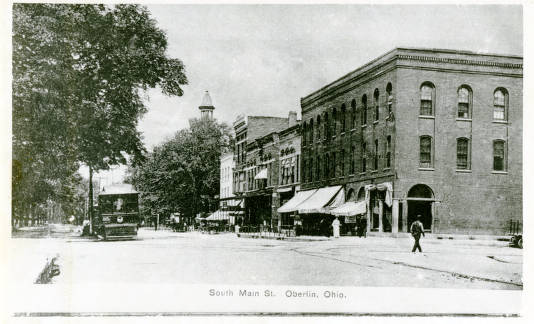
Conflict with Communities
Although interurban railways brought greatly improved transportation options and other benefit to rural communities, there also could be conflicts because interests might conflict. These conflicts might take various forms. When lines were first built, conflict could occur because a community wanted to gain maximum financial benefit from a franchise agreement to run tracks over its…
-

The President and the Trolley
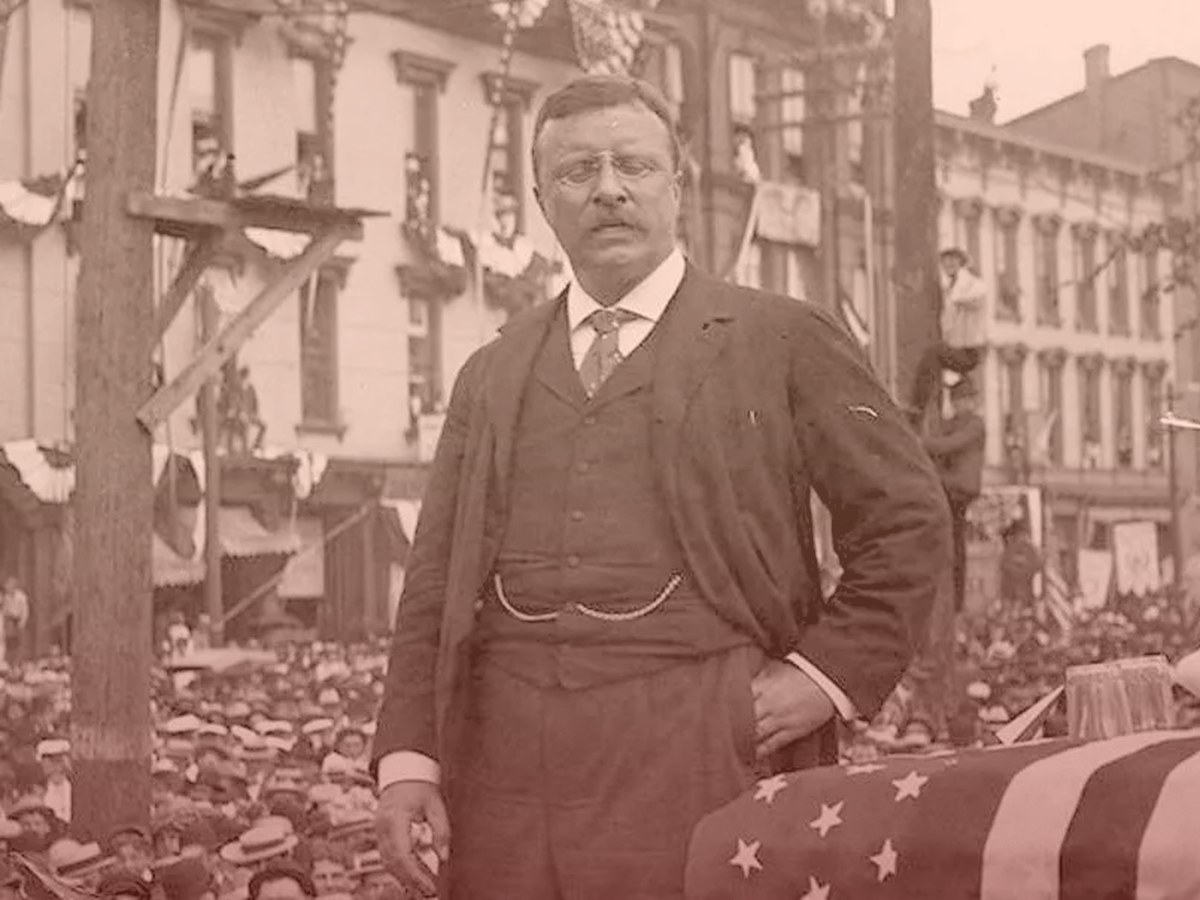
The US nearly lost two presidents in a single year! In 1902, less than a year after the assassination of President McKinley, the new president, Teddy Roosevelt, was on a two week public relations tour of New England. He arrived by train in Pittsfield MA and was taken by carriage to where he was to…
-
Before Electricity
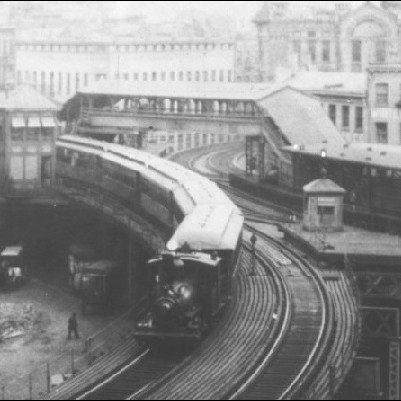
Rapid Transit Before Electricity: We have previously noted how steam power was not acceptable for transit systems operating on city streets. On rapid transit systems however, because they did not operate directly on the streets, steam power was acceptable. Although it was much less than ideal, before the coming of electricity, it was the only…
-
Columbus, Delaware and Marion
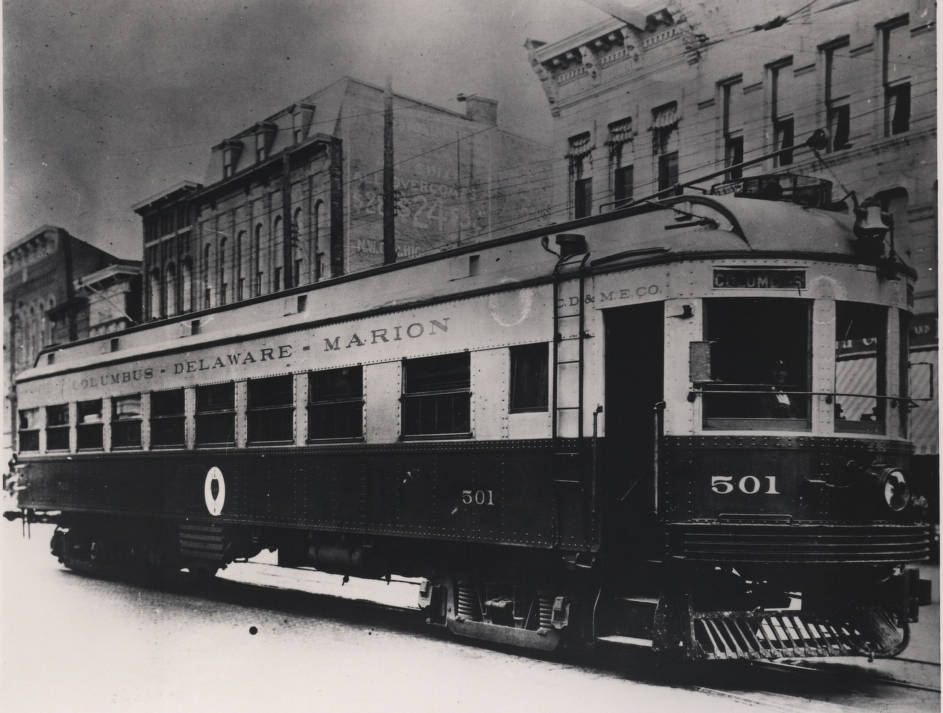
As we have noted, Northern Ohio Railway Museum owns and is laying track on the former right of way of the Cleveland, Southwestern & Columbus interurban. We also have noted that the he CS&C only got as far as Bucyrus OH and that the connection on to Columbus, OH, was via another interurban, the Columbus,…
-
Moses Farmer
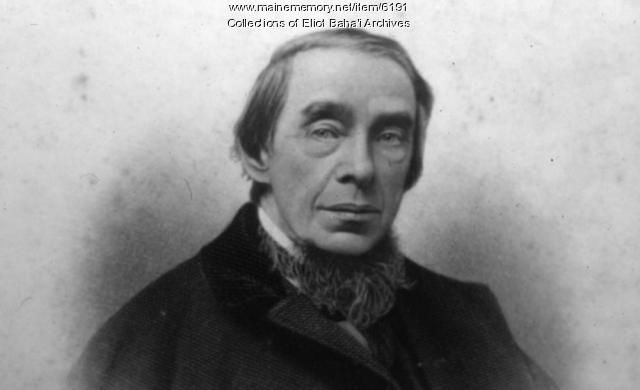
Moses Farmer (1820 – 1893): We have spoken, in the past, of some of the early inventors/promotors who contributed, directly or indirectly, to the development of electric powered transportation. One such individual, who we mentioned previously but didn’t discuss, was Moses Farmer, prominent in his day but now largely forgotten. A graduate of Dartmouth University,…
-
Operations and Sale of Electricity
Electric Railway Operations and Sale of Electricity: Electric railways often were the first major users of electric power in an area and, thus, were forced to build their own power stations. Furthermore, because this was the time when electricity was beginning to come into common use, it was a natural thing to build those power…
-
The Electric Railway Journal
The Electric Railway Journal: In 1884, McGraw Hill began weekly publication of the Street Railway Journal, a trade periodical for the mostly horse-drawn street railways that had proliferated in the US and Canada by that time. From the start, it included information and discussion of a vast range of concerns, including care of horses, track…
-
American Street Railway Association
The American Street Railway Association was first organized in Boston on 12 Dec, 1882, as trade organization to discuss problems associated, initially with the operation of horse drawn streetcars including such matters as the care of horses and the cost of feed. As electric traction started to become common, that also became a focus, with…
-
The Rapid Acceptance of Electric Railways
Picture: Cleveland’s Broadway & Newburgh Street Ry #51, Columbus Metropolitan Library. Primitive as Victorian era trolleys may seem to us today, in their time they were the product of cutting edge technology. Consider what was being accomplished. The earliest understanding of electricity as a moving current was only about a century old, and it was…
-
Where could you go by trolley?
In previous posts we have discussed the interurban railways and how extensive a network they formed in some parts of the country. In practical terms, just how wide was that network? From Northern Ohio, where could the cars take you? Northern Ohio had a network such that you could reach any of the area’s cities…