Trolley Tales
At the Northern Ohio Railway Museum, we believe history is meant to be experienced, not just studied. Trolley Tales is our digital gallery of stories, photos, and research dedicated to the rail lines that once connected our communities. From the technical details to the memories of passengers who rode them, these tales are your gateway to Ohio’s rich railway legacy. We invite you to explore the archives here, and then visit us in Seville to see these historic treasures in person.
-
Safety
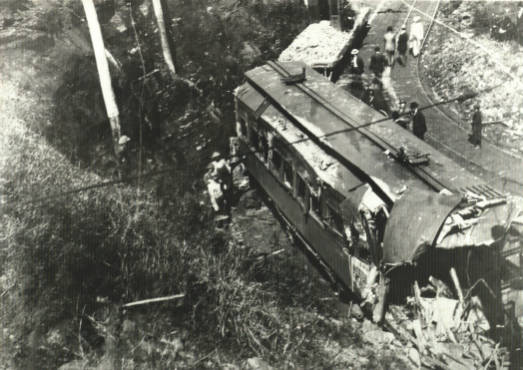
There were some horrendous wrecks on streetcar lines, especially on some of the interurbans. But how dangerous were they, really? Data show that, overall, streetcars had quite a low accident rate when compared against the number of passenger miles of service. As an example, in 1902, federal figures show that there were 1218 fatalities associated…
-

Legal Liability
When large vehicles carry large numbers of passengers and operate on city streets, there was considerable likelihood that injuries to people and damage to property would occur. Also, it appears that, then as now, many people believed that that large, wealthy or supposedly wealthy, organizations are fair game as targets of lawsuits, not always legitimate.…
-
Horsecar Economics
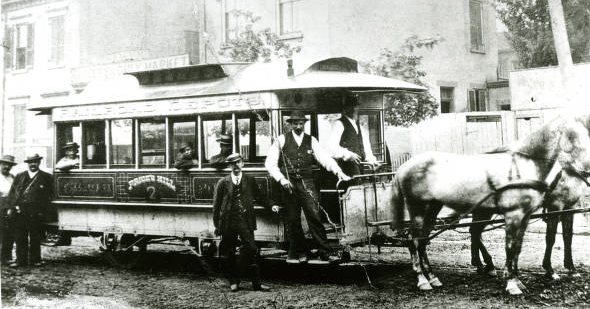
In their era, horsecar operations could earn profits of, perhaps, 8 or 9% annually. If not spectacular, this income was more than sufficient to keep them operating and to encourage construction of new lines. However, in most communities, horsecar operations were small, often consisting of only a single line. Because they were fairly cheap to…
-
Interurbans and Freight
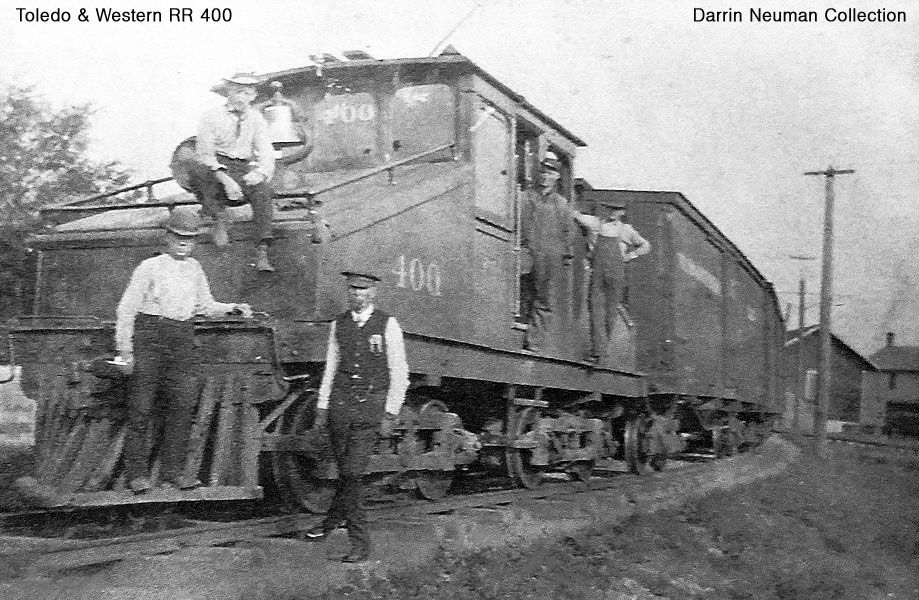
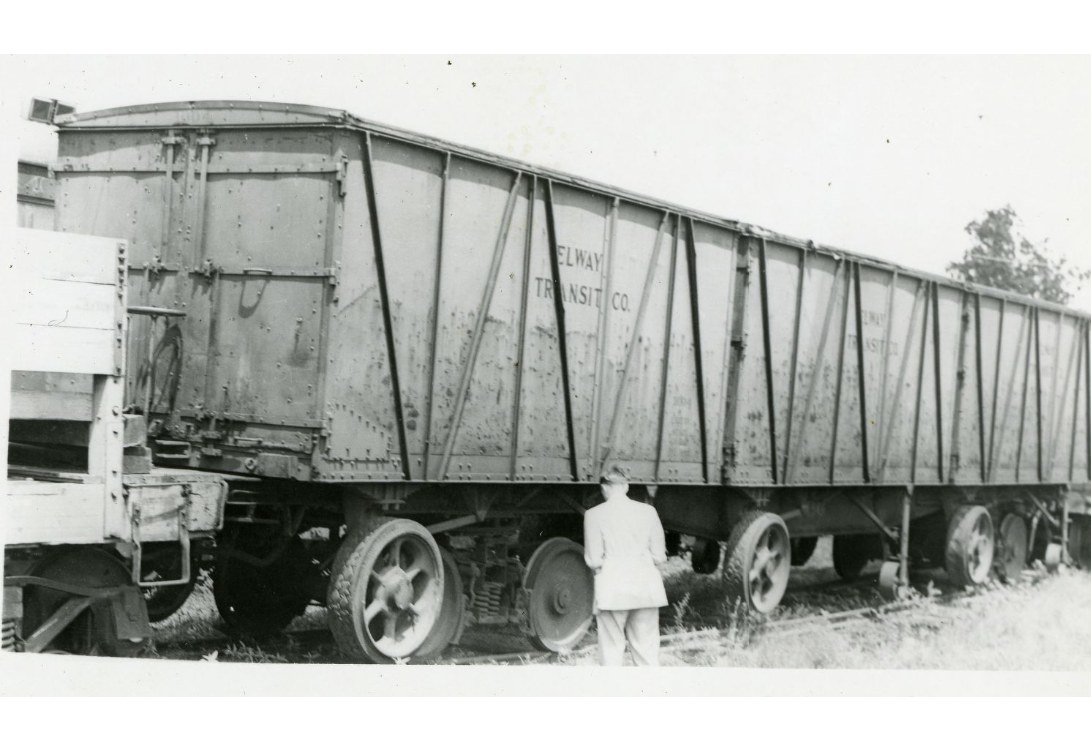
In earlier posts, we’ve discussed how many interurbans, especially in later years as passengers were lost to automobiles, carried freight to gain badly needed income. As we’ve explained, much interurban freight was in the form of small packages and other relatively small lots that could be carried on passenger, on combination passenger/baggage cars or on…
-
Cleveland’s Shortest
We’ve talked about some lines that illustrate the ubiquity of electric trolleys back in the day. Here’s another example, this one located just outside of Cleveland. The North Randall Race Track, 1908, was placed where it was, out in what then was the “boonies,” to be close to the planned route of an interurban line.…
-
A trolley car WHERE?
For people today, even those who are interested in trolleys, of those old enough to remember their final days in this country, it’s hard to imagine just how ubiquitous they once were. For example, there once was a trolley line that gave tours of the battlefield at Gettysburg. It must have been a surreal experience…
-
Horsecars
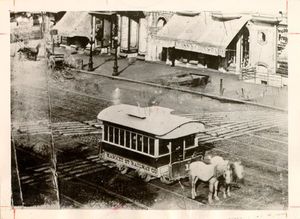
We’ve previously discussed horsecars, the animal powered predecessor to the electric streetcar. The first such cars were introduced in New York City in 1833. Although they began to be replaced by electric cars in 1888, some continued to operate for many years more. Surprisingly, the last New York City horsecar ran until 1917! That’s more…
-
Piggyback
Today, we are familiar with the advantage of being able to package freight into containers that can be transferred between different forms of transport — railroads, trucks and ships. This ability makes it convenient to use the appropriate form of transport as goods are moved from point of origin to destination without having to “break…
-
Special work
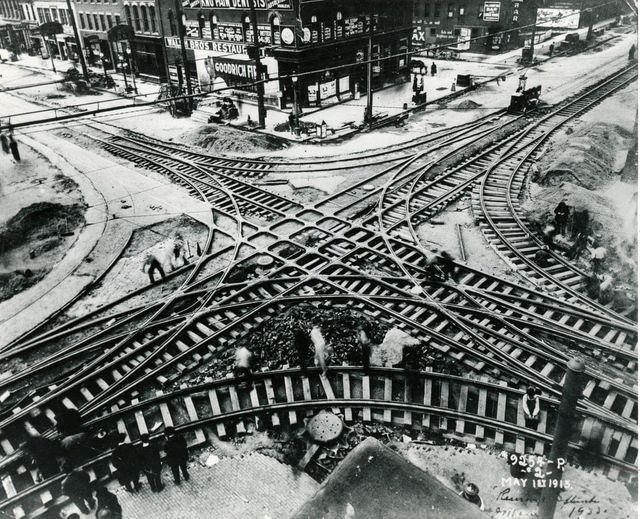
Back in the day, streetcar lines often seemed to run everywhere in a city. Even if they didn’t go quite that far, the did go a lot of places. This meant that lines often crossed and/or joined one another. Track through these crossings and connections was known as “special work,” because that’s exactly what it…
-
Streetcars Sometimes were Different
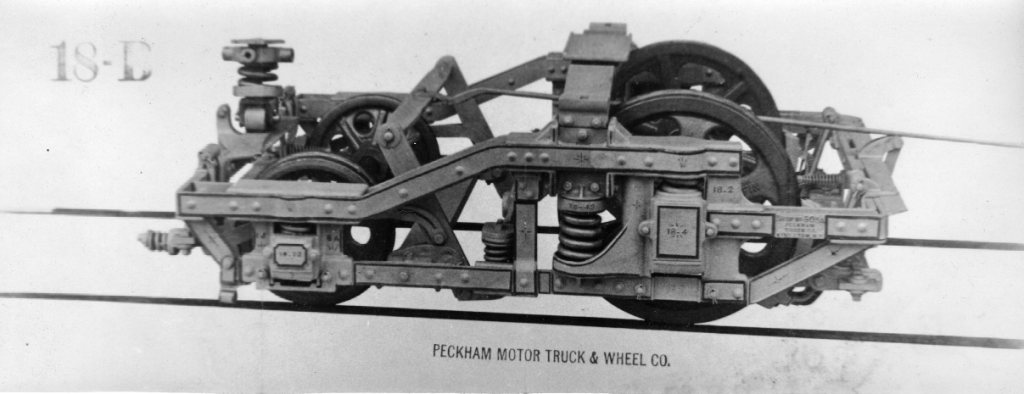
The Maximum Traction Truck. As we have discussed, the special needs of streetcar systems sometimes led to equipment different from that found on steam railroads. One such piece of equipment was the so-called “maximum traction truck.” Because streetcars tended to be fairly light, they often had rather poor traction, making it desirable to have as…