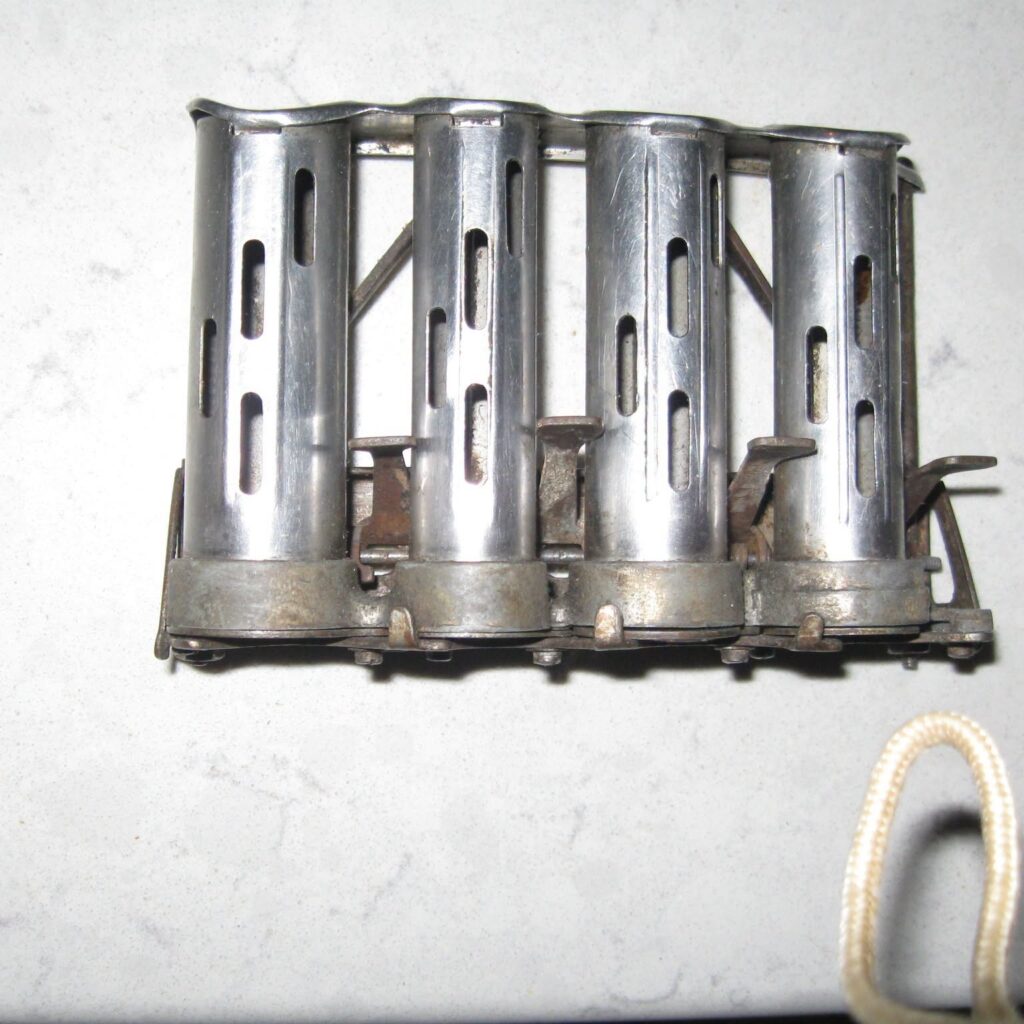

In the days of horse cars and the early electrics, fares were collected in the same way they had been collected on the steam railroads. Passengers boarded the car and the conductor moved through the car collecting fares. Although this arrangement worked well for the steam roads on which there usually was considerable time between stops, it created problems on street railways where stops were frequent, sometimes with large numbers of passengers continuously boarding and leaving. Under these conditions, it was very difficult for conductors either to keep track of who had paid and to get to all passengers before they left the car.
In response to this problem, companies introduced fare boxes, into which passengers placed their fares when boarding. The earliest of these boxes were used on some horse cars in place of conductors. With this arrangement, passengers placed their fare into a slot by which the coins rolled forward to the driver. However, this arrangement made it difficult to ensure that all fares were collected and allowed things other than money to be deposited as “fares.”
So, although the arrangement saved the cost of hiring conductors, the loss of fares more than outweighed this advantage. Thus was adopted the arrangement in which a conductor, on the platform, either watched the passenger deposit the fare in the box or actually received the fare and made the deposit. However, although an improvement, there still remained the possibility that not all fares were collected or, if collected did not all reach the company.. More next week !!