One of the most distinguishing aspects of car’s style was its roof. When the first electric streetcars were built, cars for steam railroads had been common for many years, so it was natural that they should influence the designs of the early electrics.
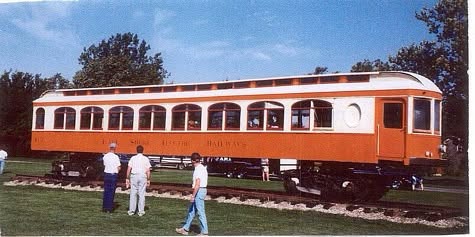
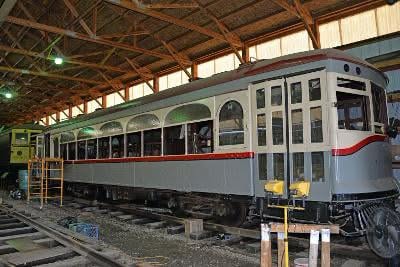
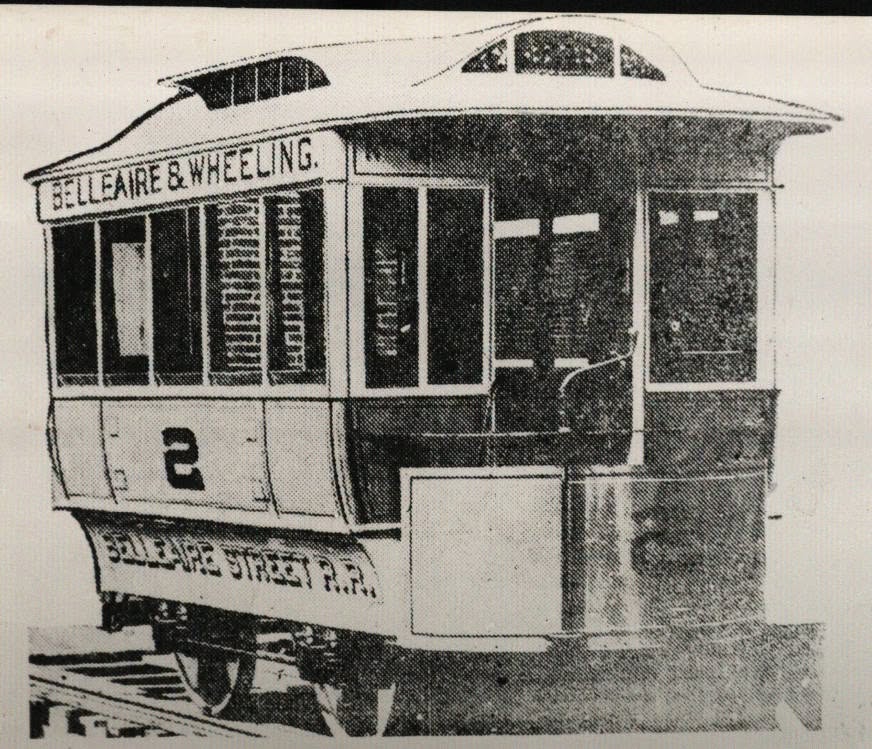
In the late 1880’s and early ’90’s, when electric streetcars appeared, the standard roof of steam railroad passenger cars had a raised central portion, know as a clerestory. Rising above the sides of the roof, the clerestory had small widows along its sides, providing both more light and improved ventilation to the car. In some cases, the clerestory was carried to the end of the car, where it curved down. This style was known as the “railroad roof.” Alternatively, the ends of the clerestory might be squared off, short of the car’s end, in a style known as the “monitor” or “deck roof.”
However, the clerestory feature was expensive to build and could be prone to leaking, while electric lighting and development of metal ventilator hoods made it of little value. So, as streetcar bodies became simpler after 1900, a simple arch roof, rounded down at the ends, became common. In some later cases, an electric-powered forced air system was included. Nevertheless, although the cars, themselves, were being built of steel, the arch roofs continued to be framed and constructed of wood, covered and waterproofed by tarred, painted canvas. Only in more recent times have the roofs been made of metal.
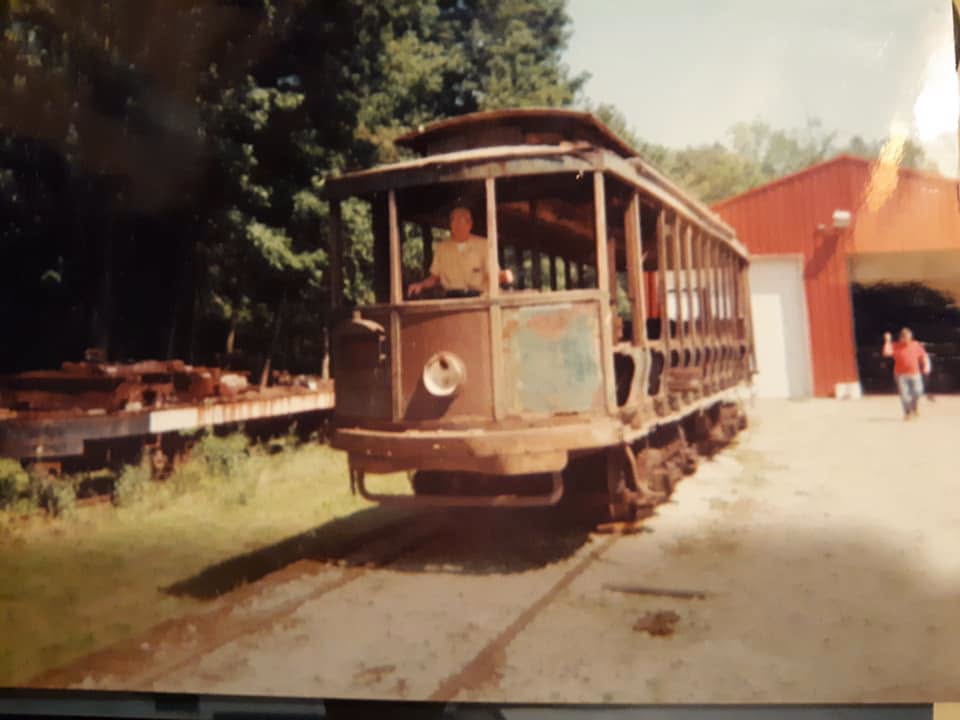
Want to see classic streetcar architectural styles in person? Visit the Northern Ohio Railway Museum in Seville, Ohio, where you can explore an extensive collection of electric rail cars, including vintage streetcars featuring authentic arch and clerestory roof designs. Experience transit history firsthand with guided walking tours, restored electric railway equipment, and historic trolley rides perfect for a family day trip. Plan your visit today!