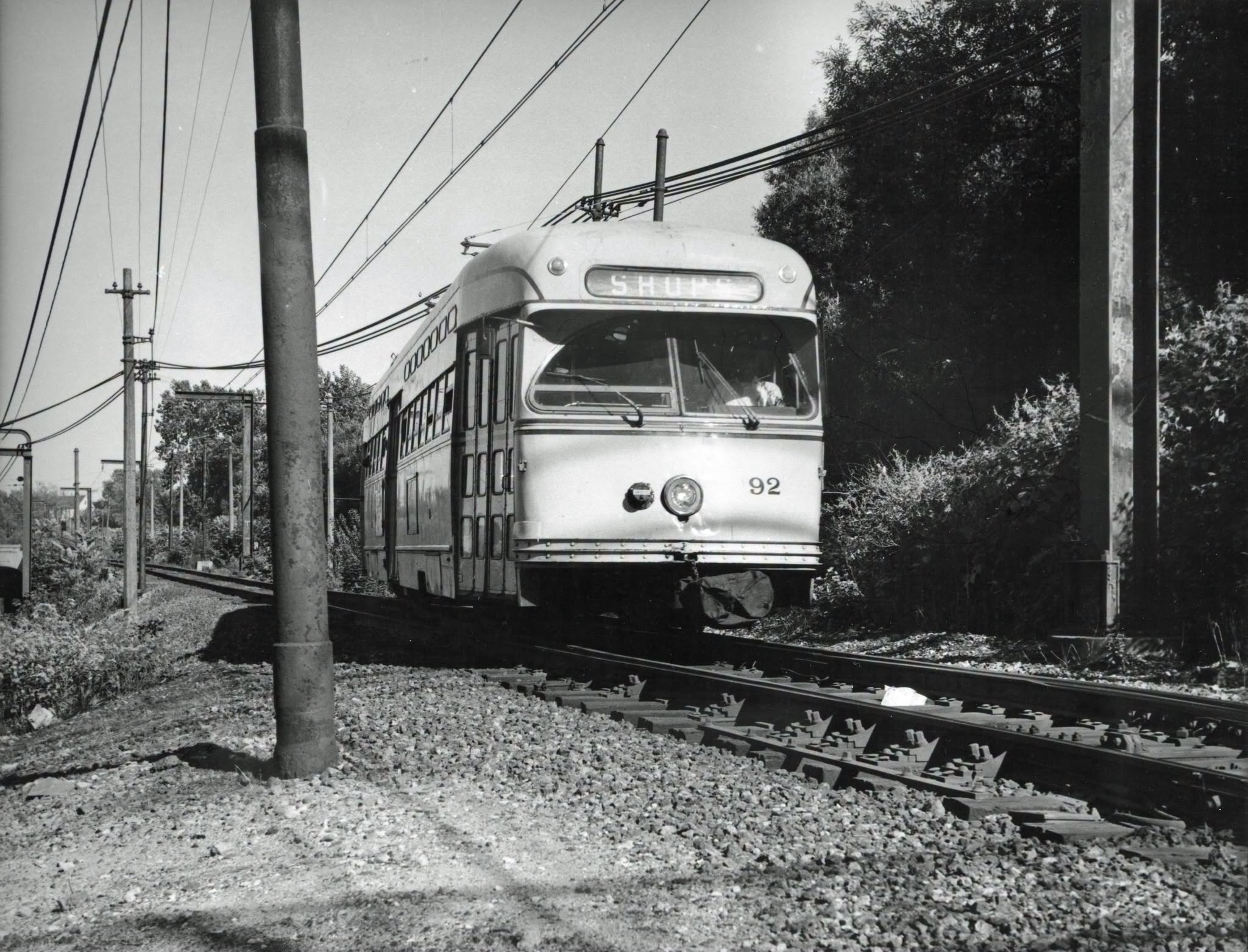
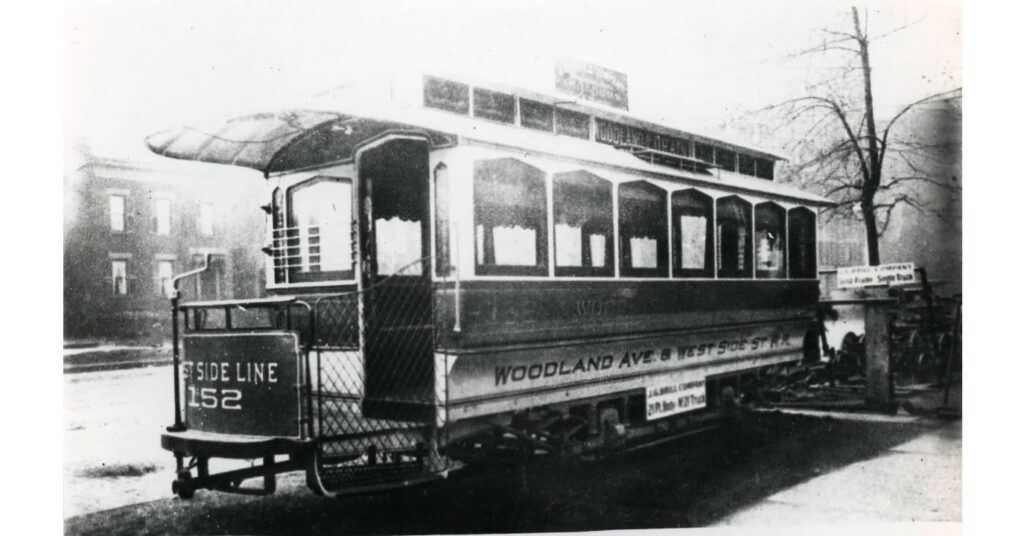
Trolley cars all pretty much looked the same, right? Well, no. There was a lot of difference in car style, especially over time. Cars also differed depending on intended use. On busy routes, large cars were needed, whereas on less heavily used lines, unnecessarily big cars wasted electricity and damaged lightly built track. Also, for cars that operated over longer distances, such as on suburban and interurban lines, rider comfort was very important, whereas cars intended for short trips could focus more on getting as many people over the line as possible at a minimum cost.
Over time, the public aesthetic changed. The first streetcars began operating in the late 19th century, when lavish ornament was in fashion, and the cars reflected this ideal. By the time of World War I, the elaborate old style was being replaced by much simpler, more functional designs. The war, itself, led to a rejection of styles that were felt, somehow, to be related to the attitudes and values that brought it on. This change was augmented by the arrival of “the age of speed” and, by the 1930’s, streamlining and Art Deco influence appeared.
Also, change in construction materials affected style. The steel cars introduced soon after 1900 were both much safer in an accident and cheaper to build. Standardized steel shapes replaced the elaborate carpentry necessary for wood construction, eliminating moldings and paneling to create a simpler geometric shape. As builders gained experience in working with steel, they were able to make the cars lighter with advantages in power usage and wear on track, and this lighter construction resulted in cars that appeared less massive.
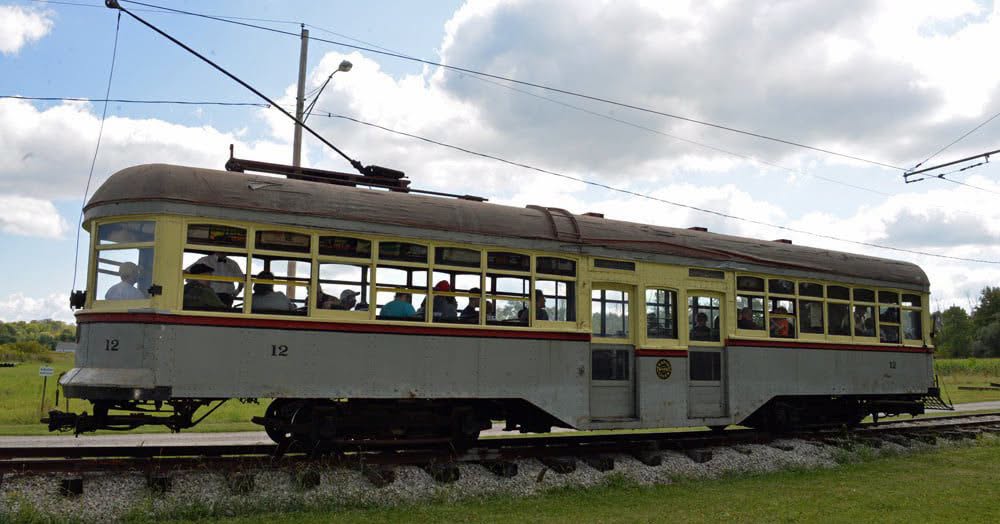
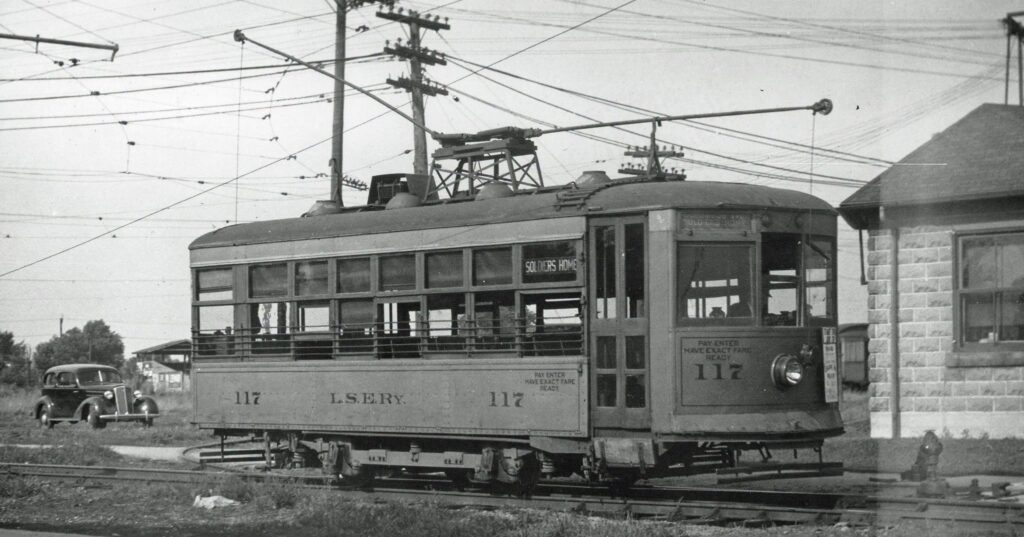
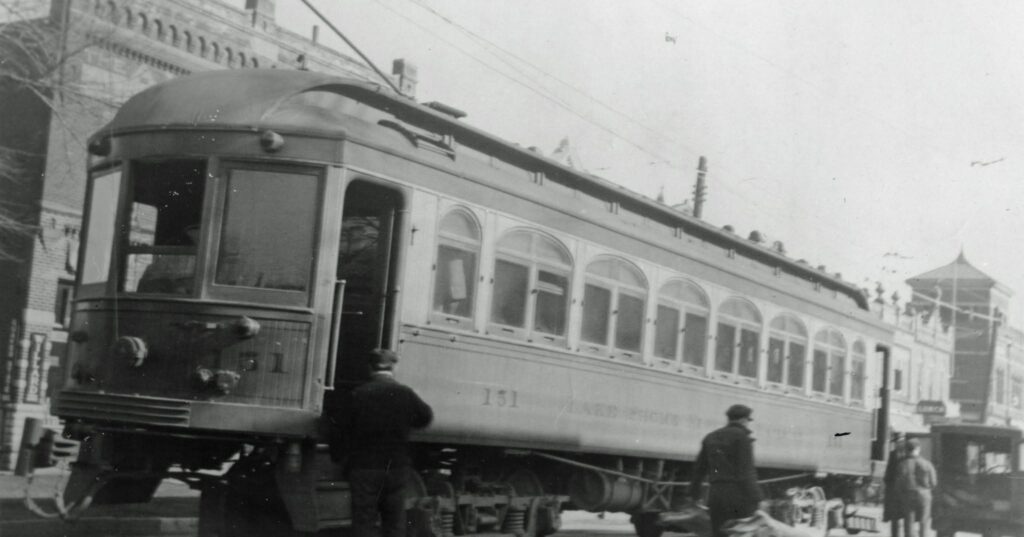
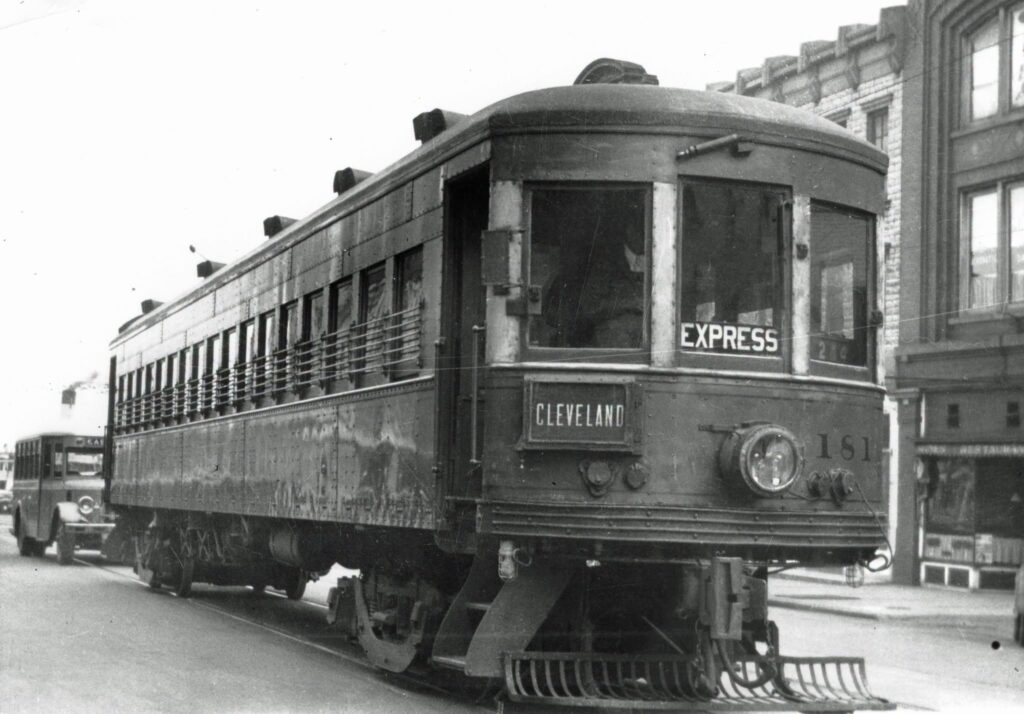
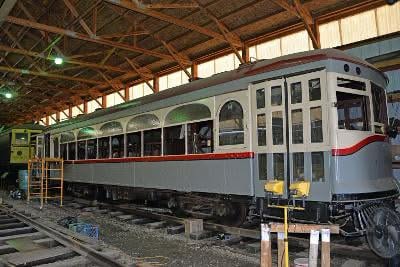
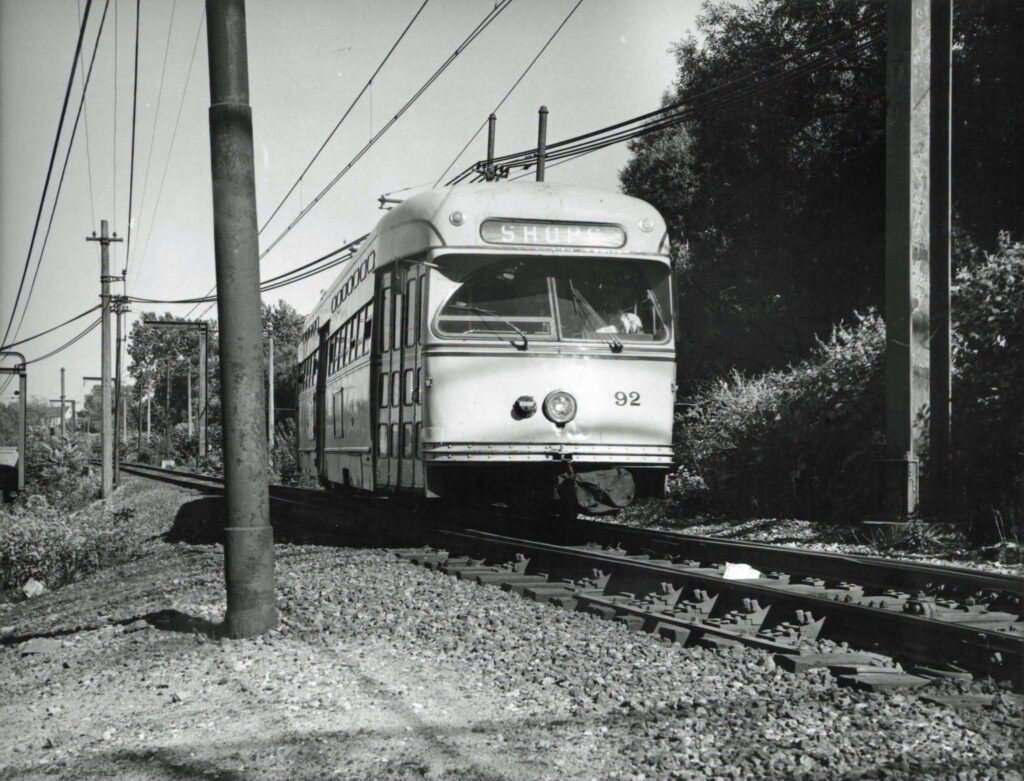
Experience these design evolutions in person at the Northern Ohio Railway Museum in Seville, Ohio. Explore our extensive collection of rail cars featuring wooden interurbans, lightweight steel streetcars, and other transit equipment. See for yourself how changing tastes and materials transformed American transit.
See less